CKD Daily Limit Impact
Based on CKD Stage 3-4 daily limits
Grains & Starches
Limit
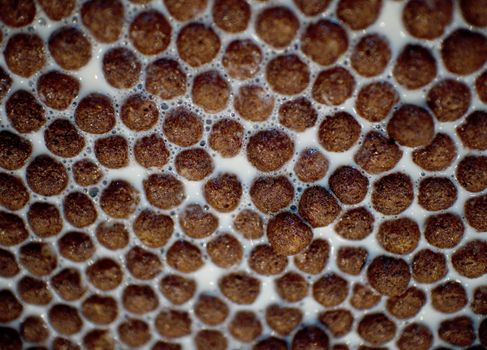
Chocolate Chocolate Sweetened Naturally & Artificially Chocolate Flavored Rice Cereal With Real Cocoa
Nutrition facts & CKD safety rating per 100gram serving
Serving Size
100.0 gram
Calories
414 kcal
Protein
3.5 g
Carbs
89.7 g
Fat
3.5 g
Phosphorus Learn more →
69 mg
Sodium Learn more →
517 mg
Potassium Learn more →
190 mg
Source & Notes
USDA Branded (fdc_id: 2027294) · Post Consumer Brands, LLC
Kidney-Friendly Alternatives
Looking for safer choices in Grains & Starches? Try these instead:

With Rice Meatless Stuffed Tomato
Phosphorus33 mg
Sodium123 mg
Potassium182 mg

Chocolate Chocolate Flavor Quick Cooking Hot Wheat Cereal
Phosphorus114 mg
Sodium0 mg
Potassium229 mg

Regular Or Quick Non-dairy Milk Oatmeal
Phosphorus101 mg
Sodium117 mg
Potassium110 mg
Nonfat Cereal Or Granola Bar
Phosphorus122 mg
Sodium16 mg
Potassium220 mg
Frequently Asked Questions
Is Chocolate Chocolate Sweetened Naturally & Artificially Chocolate Flavored Rice Cereal With Real Cocoa safe for people with kidney disease?
Chocolate Chocolate Sweetened Naturally & Artificially Chocolate Flavored Rice Cereal With Real Cocoa is rated Limit for CKD patients. Limit intake if you have CKD. With 69.0mg phosphorus, 517.0mg sodium, and 190.0mg potassium per 100.0g serving, you should keep portion sizes small and not eat it daily. Always confirm with your nephrologist or renal dietitian.
How much phosphorus is in Chocolate Chocolate Sweetened Naturally & Artificially Chocolate Flavored Rice Cereal With Real Cocoa?
A 100.0g serving of Chocolate Chocolate Sweetened Naturally & Artificially Chocolate Flavored Rice Cereal With Real Cocoa contains 69mg of phosphorus, which is approximately 7% of the recommended 1,000mg daily limit for CKD Stage 3-4 patients.
How much sodium is in Chocolate Chocolate Sweetened Naturally & Artificially Chocolate Flavored Rice Cereal With Real Cocoa?
Per 100.0g serving, Chocolate Chocolate Sweetened Naturally & Artificially Chocolate Flavored Rice Cereal With Real Cocoa provides 517mg of sodium — about 22% of the 2,300mg daily sodium limit recommended for kidney patients.
How much potassium is in Chocolate Chocolate Sweetened Naturally & Artificially Chocolate Flavored Rice Cereal With Real Cocoa?
Chocolate Chocolate Sweetened Naturally & Artificially Chocolate Flavored Rice Cereal With Real Cocoa contains 190mg of potassium per 100.0g serving, equivalent to about 10% of the daily 2,000mg potassium limit for CKD Stage 3-4 patients.
Can dialysis patients eat Chocolate Chocolate Sweetened Naturally & Artificially Chocolate Flavored Rice Cereal With Real Cocoa?
Dialysis patients have stricter mineral limits. Given Chocolate Chocolate Sweetened Naturally & Artificially Chocolate Flavored Rice Cereal With Real Cocoa is rated Limit (Limit intake if you have CKD), dialysis patients should consult their dietitian before consuming this food. Your dialysis team can give you personalised portion advice.
Where to Buy Chocolate Chocolate Sweetened Naturally & Artificially Chocolate Flavored Rice Cereal With Real Cocoa
Shop from trusted retailers — we may earn a small commission at no extra cost.
Shop Chocolate Chocolate Sweetened Naturally & Artificially Chocolate Flavored Rice Cereal With Real Cocoa on Amazon
Shop now
Affiliate Disclosure: As an Amazon Associate, KidneyFoods earns from qualifying purchases. This helps keep the site free — at no extra cost to you.
More Grains & Starches

Kellogg Special K Cereal Bars Cookies N' Creme 5.28oz
Phosphorus80 mg
Sodium414 mg
Potassium154 mg
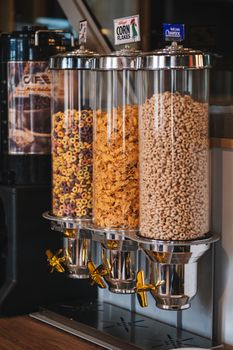
Cheerios Original Gluten Free Breakfast Cereal Large Size
Phosphorus320 mg
Sodium498 mg
Potassium653 mg

Honey Nut Cheerios Cereal
Phosphorus286 mg
Sodium571 mg
Potassium411 mg

Whole Grain Wheat & Whole Grain Corn Crunchy O's Cereal Bran Bran
Phosphorus559000 mg
Sodium0 mg
Potassium722 mg
Free forever — built after 7 years on dialysis
I made KidneyFoods so no one has to guess what's safe to eat. If this page helped you today, a small donation keeps the lights on for the next person searching.
Last updated: April 18, 2026 · Data source: USDA FoodData Central & KDOQI guidelines