CKD Daily Limit Impact
Based on CKD Stage 3-4 daily limits
Snacks
Safe
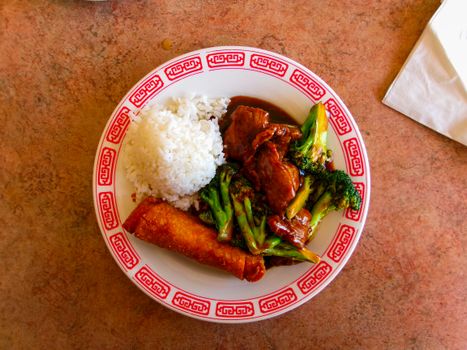
Red Pepper And Broccoli Over A Bed Of Rice With Sweet And Spicy Teriyaki Sauce Beef & Broccoli Beef & Broccoli Tender Beef Strips With Onion
Nutrition facts & CKD safety rating per 100gram serving
Serving Size
100.0 gram
Calories
90 kcal
Protein
5.8 g
Carbs
11.9 g
Fat
1.9 g
Phosphorus Learn more →
80 mg
Sodium Learn more →
180 mg
Potassium Learn more →
203 mg
Source & Notes
USDA Branded (fdc_id: 2441161) · Conagra Brands, Inc.
Frequently Asked Questions
Is Red Pepper And Broccoli Over A Bed Of Rice With Sweet And Spicy Teriyaki Sauce Beef & Broccoli Beef & Broccoli Tender Beef Strips With Onion safe for people with kidney disease?
Red Pepper And Broccoli Over A Bed Of Rice With Sweet And Spicy Teriyaki Sauce Beef & Broccoli Beef & Broccoli Tender Beef Strips With Onion is rated Safe for CKD patients. Good choice for kidney disease patients. With 80.0mg phosphorus, 180.0mg sodium, and 203.0mg potassium per 100.0g serving, it can be enjoyed in normal portion sizes. Always confirm with your nephrologist or renal dietitian.
How much phosphorus is in Red Pepper And Broccoli Over A Bed Of Rice With Sweet And Spicy Teriyaki Sauce Beef & Broccoli Beef & Broccoli Tender Beef Strips With Onion?
A 100.0g serving of Red Pepper And Broccoli Over A Bed Of Rice With Sweet And Spicy Teriyaki Sauce Beef & Broccoli Beef & Broccoli Tender Beef Strips With Onion contains 80mg of phosphorus, which is approximately 8% of the recommended 1,000mg daily limit for CKD Stage 3-4 patients.
How much sodium is in Red Pepper And Broccoli Over A Bed Of Rice With Sweet And Spicy Teriyaki Sauce Beef & Broccoli Beef & Broccoli Tender Beef Strips With Onion?
Per 100.0g serving, Red Pepper And Broccoli Over A Bed Of Rice With Sweet And Spicy Teriyaki Sauce Beef & Broccoli Beef & Broccoli Tender Beef Strips With Onion provides 180mg of sodium — about 8% of the 2,300mg daily sodium limit recommended for kidney patients.
How much potassium is in Red Pepper And Broccoli Over A Bed Of Rice With Sweet And Spicy Teriyaki Sauce Beef & Broccoli Beef & Broccoli Tender Beef Strips With Onion?
Red Pepper And Broccoli Over A Bed Of Rice With Sweet And Spicy Teriyaki Sauce Beef & Broccoli Beef & Broccoli Tender Beef Strips With Onion contains 203mg of potassium per 100.0g serving, equivalent to about 10% of the daily 2,000mg potassium limit for CKD Stage 3-4 patients.
Can dialysis patients eat Red Pepper And Broccoli Over A Bed Of Rice With Sweet And Spicy Teriyaki Sauce Beef & Broccoli Beef & Broccoli Tender Beef Strips With Onion?
Dialysis patients have stricter mineral limits. Given Red Pepper And Broccoli Over A Bed Of Rice With Sweet And Spicy Teriyaki Sauce Beef & Broccoli Beef & Broccoli Tender Beef Strips With Onion is rated Safe (Good choice for kidney disease patients), it is generally a good choice for dialysis patients in normal portions. Your dialysis team can give you personalised portion advice.
Where to Buy Red Pepper And Broccoli Over A Bed Of Rice With Sweet And Spicy Teriyaki Sauce Beef & Broccoli Beef & Broccoli Tender Beef Strips With Onion
Shop from trusted retailers — we may earn a small commission at no extra cost.
Shop Red Pepper And Broccoli Over A Bed Of Rice With Sweet And Spicy Teriyaki Sauce Beef & Broccoli Beef & Broccoli Tender Beef Strips With Onion on Amazon
Shop now
Affiliate Disclosure: As an Amazon Associate, KidneyFoods earns from qualifying purchases. This helps keep the site free — at no extra cost to you.
More Snacks
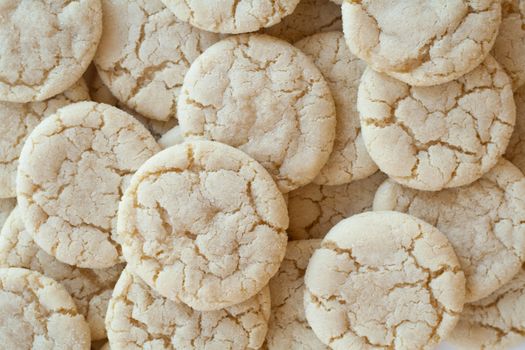
Keebler Other Cookies Sugar Cookies 13.3oz 12ct
Phosphorus108 mg
Sodium356 mg
Potassium63 mg
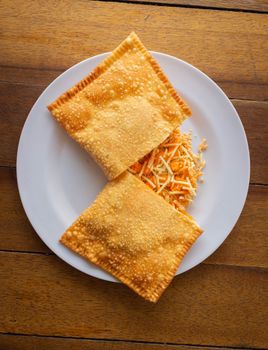
Pastel (Brazilian)
Phosphorus120 mg
Sodium480 mg
Potassium180 mg
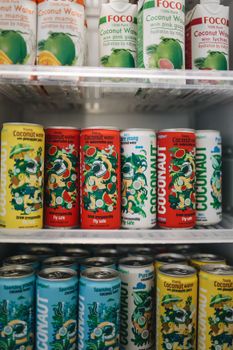
Coconut Water 100%pure Foco
Phosphorus8 mg
Sodium21 mg
Potassium200 mg
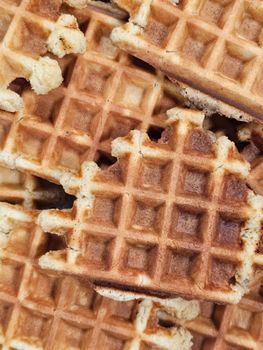
Kellogg's Eggo Waffles Maple 2.64oz 72ct
Phosphorus267 mg
Sodium267 mg
Potassium240 mg
Free forever — built after 7 years on dialysis
I made KidneyFoods so no one has to guess what's safe to eat. If this page helped you today, a small donation keeps the lights on for the next person searching.
Last updated: April 18, 2026 · Data source: USDA FoodData Central & KDOQI guidelines