🍚
CKD Daily Limit Impact
Based on CKD Stage 3-4 daily limits
🍚 Grains & Starches
Moderate
Crunchy Granola Raisin Bran Sweetened Crunchy Wheat Flakes With Raisins And Oat Clusters Cereal, Crunchy
Nutrition facts & CKD safety rating per 100gram serving
Serving Size
100.0 gram
Calories
352 kcal
Protein
7.4 g
Carbs
83.3 g
Fat
0.0 g
Phosphorus Learn more →
259 mg
Sodium Learn more →
333 mg
Potassium Learn more →
389 mg
Source & Notes
USDA Branded (fdc_id: 2627341) · Super Store Industries
Frequently Asked Questions
Is Crunchy Granola Raisin Bran Sweetened Crunchy Wheat Flakes With Raisins And Oat Clusters Cereal, Crunchy safe for people with kidney disease?
Crunchy Granola Raisin Bran Sweetened Crunchy Wheat Flakes With Raisins And Oat Clusters Cereal, Crunchy is rated Moderate for CKD patients. Eat in moderate portions if you have CKD. With 259.0mg phosphorus, 333.0mg sodium, and 389.0mg potassium per 100.0g serving, moderate portions are usually fine, but watch your daily totals. Always confirm with your nephrologist or renal dietitian.
How much phosphorus is in Crunchy Granola Raisin Bran Sweetened Crunchy Wheat Flakes With Raisins And Oat Clusters Cereal, Crunchy?
A 100.0g serving of Crunchy Granola Raisin Bran Sweetened Crunchy Wheat Flakes With Raisins And Oat Clusters Cereal, Crunchy contains 259mg of phosphorus, which is approximately 26% of the recommended 1,000mg daily limit for CKD Stage 3-4 patients.
How much sodium is in Crunchy Granola Raisin Bran Sweetened Crunchy Wheat Flakes With Raisins And Oat Clusters Cereal, Crunchy?
Per 100.0g serving, Crunchy Granola Raisin Bran Sweetened Crunchy Wheat Flakes With Raisins And Oat Clusters Cereal, Crunchy provides 333mg of sodium — about 14% of the 2,300mg daily sodium limit recommended for kidney patients.
How much potassium is in Crunchy Granola Raisin Bran Sweetened Crunchy Wheat Flakes With Raisins And Oat Clusters Cereal, Crunchy?
Crunchy Granola Raisin Bran Sweetened Crunchy Wheat Flakes With Raisins And Oat Clusters Cereal, Crunchy contains 389mg of potassium per 100.0g serving, equivalent to about 19% of the daily 2,000mg potassium limit for CKD Stage 3-4 patients.
Can dialysis patients eat Crunchy Granola Raisin Bran Sweetened Crunchy Wheat Flakes With Raisins And Oat Clusters Cereal, Crunchy?
Dialysis patients have stricter mineral limits. Given Crunchy Granola Raisin Bran Sweetened Crunchy Wheat Flakes With Raisins And Oat Clusters Cereal, Crunchy is rated Moderate (Eat in moderate portions if you have CKD), dialysis patients should eat smaller portions and monitor their weekly intake. Your dialysis team can give you personalised portion advice.
Where to Buy Crunchy Granola Raisin Bran Sweetened Crunchy Wheat Flakes With Raisins And Oat Clusters Cereal, Crunchy
Shop from trusted retailers — we may earn a small commission at no extra cost.
Shop Crunchy Granola Raisin Bran Sweetened Crunchy Wheat Flakes With Raisins And Oat Clusters Cereal, Crunchy on Amazon
Shop now
Affiliate Disclosure: As an Amazon Associate, KidneyFoods earns from qualifying purchases. This helps keep the site free — at no extra cost to you.
More Grains & Starches
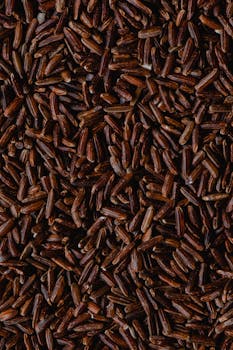
Rice Brown Flour
Phosphorus319 mg
Sodium1 mg
Potassium265 mg
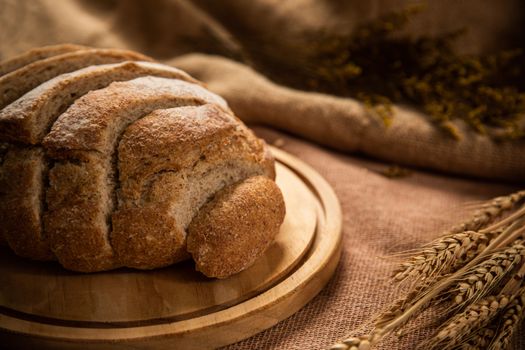
100% Whole Grain Organic Bread, 100% Whole Grain
Phosphorus188 mg
Sodium417 mg
Potassium250 mg
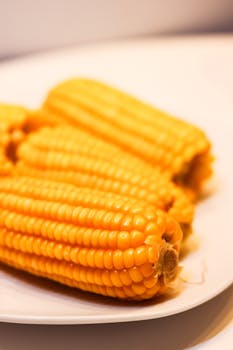
Corn Yellow Fine Meal Enriched Flour
Phosphorus92 mg
Sodium0 mg
Potassium144 mg
White Pearled Unenriched Dry Sorghum Grain
Phosphorus243 mg
Sodium0 mg
Potassium273 mg
Last updated: April 18, 2026 · Data source: USDA FoodData Central & KDOQI guidelines