CKD Daily Limit Impact
Based on CKD Stage 3-4 daily limits
Snacks
Avoid
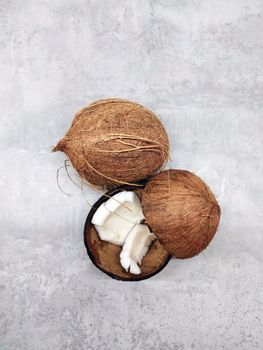
Kashi Golean Powders Coconut 1.62oz
Nutrition facts & CKD safety rating per 100gram serving
Serving Size
100.0 gram
Calories
381 kcal
Protein
32.9 g
Carbs
48.1 g
Fat
11.3 g
Phosphorus Learn more →
473 mg
Sodium Learn more →
145 mg
Potassium Learn more →
1420 mg
Source & Notes
USDA Branded (fdc_id: 751604) · Kellogg Company US
Kidney-Friendly Alternatives
Looking for safer choices in Snacks? Try these instead:

Low Fat Smoothie
Phosphorus97 mg
Sodium46 mg
Potassium140 mg

Vanilla Nutritional Shake Plus 24 Essential Vitamins & Minerals
Phosphorus125 mg
Sodium92 mg
Potassium167 mg

17oz Bottle Kiwi Strawberry Frost
Phosphorus0 mg
Sodium2 mg
Potassium14 mg
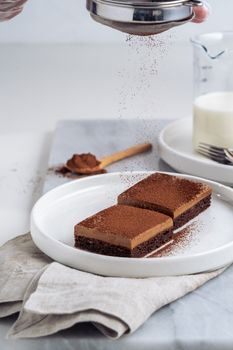
Gluten-free River Of Fudge Bar
Phosphorus63 mg
Sodium113 mg
Potassium97 mg
Frequently Asked Questions
Is Kashi Golean Powders Coconut 1.62oz safe for people with kidney disease?
Kashi Golean Powders Coconut 1.62oz is rated Avoid for CKD patients. Avoid or eat rarely if you have CKD. With 473.0mg phosphorus, 145.0mg sodium, and 1420.0mg potassium per 100.0g serving, it is best avoided or eaten only on special occasions. Always confirm with your nephrologist or renal dietitian.
How much phosphorus is in Kashi Golean Powders Coconut 1.62oz?
A 100.0g serving of Kashi Golean Powders Coconut 1.62oz contains 473mg of phosphorus, which is approximately 47% of the recommended 1,000mg daily limit for CKD Stage 3-4 patients.
How much sodium is in Kashi Golean Powders Coconut 1.62oz?
Per 100.0g serving, Kashi Golean Powders Coconut 1.62oz provides 145mg of sodium — about 6% of the 2,300mg daily sodium limit recommended for kidney patients.
How much potassium is in Kashi Golean Powders Coconut 1.62oz?
Kashi Golean Powders Coconut 1.62oz contains 1420mg of potassium per 100.0g serving, equivalent to about 71% of the daily 2,000mg potassium limit for CKD Stage 3-4 patients.
Can dialysis patients eat Kashi Golean Powders Coconut 1.62oz?
Dialysis patients have stricter mineral limits. Given Kashi Golean Powders Coconut 1.62oz is rated Avoid (Avoid or eat rarely if you have CKD), dialysis patients should consult their dietitian before consuming this food. Your dialysis team can give you personalised portion advice.
Where to Buy Kashi Golean Powders Coconut 1.62oz
Shop from trusted retailers — we may earn a small commission at no extra cost.
Shop Kashi Golean Powders Coconut 1.62oz on Amazon
Shop now
Affiliate Disclosure: As an Amazon Associate, KidneyFoods earns from qualifying purchases. This helps keep the site free — at no extra cost to you.
More Snacks
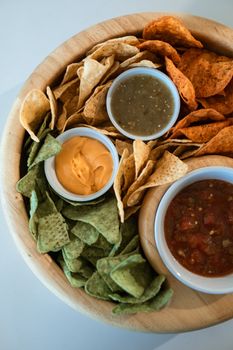
Potato Chips Salsa Verde Utz
Phosphorus143 mg
Sodium714 mg
Potassium1210 mg
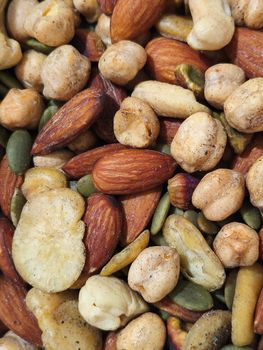
Deluxe Lightly Mixed Nuts
Phosphorus357 mg
Sodium143 mg
Potassium714 mg

Original Bbq Original Bbq Chicken Creations
Phosphorus203 mg
Sodium676 mg
Potassium284 mg
2l Bottle Diet Raspberry Lime
Phosphorus0 mg
Sodium0 mg
Potassium0 mg
Free forever — built after 7 years on dialysis
I made KidneyFoods so no one has to guess what's safe to eat. If this page helped you today, a small donation keeps the lights on for the next person searching.
Last updated: April 18, 2026 · Data source: USDA FoodData Central & KDOQI guidelines