
CKD Daily Limit Impact
Based on CKD Stage 3-4 daily limits
Meat & Protein
Avoid
Pork — Maiale
Nutrition facts & CKD safety rating per 100gram serving
Serving Size
100.0 gram
Calories
143 kcal
Protein
21.0 g
Carbs
0.0 g
Fat
6.0 g
Phosphorus Learn more →
210 mg
Sodium Learn more →
56 mg
Potassium Learn more →
340 mg
Source & Notes
Imported from italian-foods. USDA.
Kidney-Friendly Alternatives
Looking for safer choices in Meat & Protein? Try these instead:
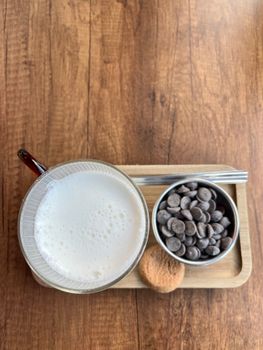
Milk Chocolate Milk Chocolate Flavored Protein Shake
Phosphorus101 mg
Sodium78 mg
Potassium193 mg

Peach Orange Yogurt Peach Orange Yogurt Organic Morning Protein Smoothie
Phosphorus38 mg
Sodium19 mg
Potassium218 mg
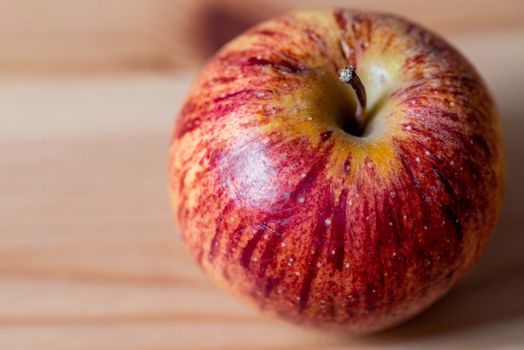
Apple Therapeutic Nutrition
Phosphorus0 mg
Sodium15 mg
Potassium0 mg

Key Lime Pie Key Lime Pie Light Fat Free Yogurt
Phosphorus88 mg
Sodium53 mg
Potassium141 mg
Frequently Asked Questions
Is Pork — Maiale safe for people with kidney disease?
Pork — Maiale is rated Avoid for CKD patients. Avoid or eat rarely if you have CKD. With 210.0mg phosphorus, 56.0mg sodium, and 340.0mg potassium per 100.0g serving, it is best avoided or eaten only on special occasions. Always confirm with your nephrologist or renal dietitian.
How much phosphorus is in Pork — Maiale?
A 100.0g serving of Pork — Maiale contains 210mg of phosphorus, which is approximately 21% of the recommended 1,000mg daily limit for CKD Stage 3-4 patients.
How much sodium is in Pork — Maiale?
Per 100.0g serving, Pork — Maiale provides 56mg of sodium — about 2% of the 2,300mg daily sodium limit recommended for kidney patients.
How much potassium is in Pork — Maiale?
Pork — Maiale contains 340mg of potassium per 100.0g serving, equivalent to about 17% of the daily 2,000mg potassium limit for CKD Stage 3-4 patients.
Can dialysis patients eat Pork — Maiale?
Dialysis patients have stricter mineral limits. Given Pork — Maiale is rated Avoid (Avoid or eat rarely if you have CKD), dialysis patients should consult their dietitian before consuming this food. Your dialysis team can give you personalised portion advice.
Where to Buy Pork — Maiale
Shop from trusted retailers — we may earn a small commission at no extra cost.
Shop Pork — Maiale on Amazon
Shop now
Affiliate Disclosure: As an Amazon Associate, KidneyFoods earns from qualifying purchases. This helps keep the site free — at no extra cost to you.
More Meat & Protein

On White Bun Chili Hot Dog Sandwich
Phosphorus107 mg
Sodium556 mg
Potassium251 mg

Buffalo Wings
Phosphorus160 mg
Sodium1100 mg
Potassium200 mg

With Cheese And Meat Margarine Egg Omelet Or Scrambled Egg
Phosphorus224 mg
Sodium420 mg
Potassium146 mg

Tapa (Cured Beef)
Phosphorus220 mg
Sodium1300 mg
Potassium300 mg
Free forever — built after 7 years on dialysis
I made KidneyFoods so no one has to guess what's safe to eat. If this page helped you today, a small donation keeps the lights on for the next person searching.
Last updated: May 24, 2026 · Data source: USDA FoodData Central & KDOQI guidelines