Tác động lên giới hạn CKD hàng ngày
Dựa trên giới hạn hàng ngày CKD Giai đoạn 3-4
🍿 Đồ ăn vặt
Safe
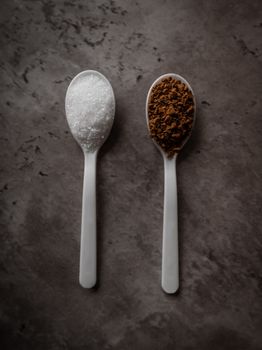
Cà phê hòa tan thêm sữa và đường
Thông tin dinh dưỡng & đánh giá an toàn CKD trên mỗi khẩu phần 100gram
Khẩu phần
100.0 gram
Năng lượng
27 kcal
Đạm
0.2 g
Carb
5.1 g
Chất béo
0.7 g
Phốt-pho Tìm hiểu thêm →
8 mg
Natri Tìm hiểu thêm →
7 mg
Kali Tìm hiểu thêm →
42 mg
Nguồn & Ghi chú
USDA FNDDS (foodCode: 92121000)
Câu hỏi thường gặp
Is Cà phê hòa tan thêm sữa và đường safe for people with kidney disease?
Cà phê hòa tan thêm sữa và đường is rated Safe for CKD patients. Good choice for kidney disease patients. With 8.0mg phosphorus, 7.0mg sodium, and 42.0mg potassium per 100.0g serving, it can be enjoyed in normal portion sizes. Always confirm with your nephrologist or renal dietitian.
How much phosphorus is in Cà phê hòa tan thêm sữa và đường?
A 100.0g serving of Cà phê hòa tan thêm sữa và đường contains 8mg of phosphorus, which is approximately 1% of the recommended 1,000mg daily limit for CKD Stage 3-4 patients.
How much sodium is in Cà phê hòa tan thêm sữa và đường?
Per 100.0g serving, Cà phê hòa tan thêm sữa và đường provides 7mg of sodium — about 0% of the 2,300mg daily sodium limit recommended for kidney patients.
How much potassium is in Cà phê hòa tan thêm sữa và đường?
Cà phê hòa tan thêm sữa và đường contains 42mg of potassium per 100.0g serving, equivalent to about 2% of the daily 2,000mg potassium limit for CKD Stage 3-4 patients.
Can dialysis patients eat Cà phê hòa tan thêm sữa và đường?
Dialysis patients have stricter mineral limits. Given Cà phê hòa tan thêm sữa và đường is rated Safe (Good choice for kidney disease patients), it is generally a good choice for dialysis patients in normal portions. Your dialysis team can give you personalised portion advice.
Thêm Đồ ăn vặt
Free forever — built after 7 years on dialysis
I made KidneyFoods so no one has to guess what's safe to eat. If this page helped you today, a small donation keeps the lights on for the next person searching.
Last updated: April 18, 2026 · Data source: USDA FoodData Central & KDOQI guidelines