Tác động lên giới hạn CKD hàng ngày
Dựa trên giới hạn hàng ngày CKD Giai đoạn 3-4
Condiments & Oils
Avoid
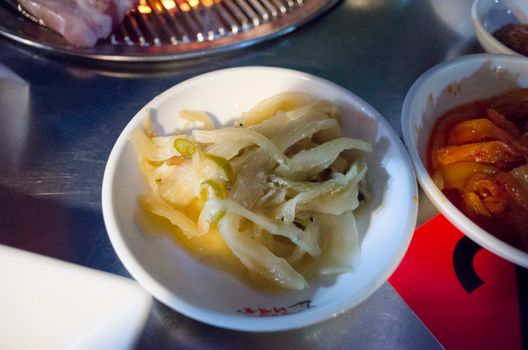
Dưa cải chua
Thông tin dinh dưỡng & đánh giá an toàn CKD trên mỗi khẩu phần 100gram
Khẩu phần
100.0 gram
Năng lượng
19 kcal
Đạm
1.0 g
Carb
4.0 g
Chất béo
0.2 g
Phốt-pho Tìm hiểu thêm →
24 mg
Natri Tìm hiểu thêm →
1200 mg
Kali Tìm hiểu thêm →
200 mg
Nguồn & Ghi chú
Vietnamese condiment. INMU TH/EST. Common in canh chua, banh xeo.
Lựa chọn thay thế thân thiện với thận
Tìm lựa chọn an toàn hơn trong Condiments & Oils? Thử các món sau:

Câu hỏi thường gặp
Is Dưa cải chua safe for people with kidney disease?
Dưa cải chua is rated Avoid for CKD patients. Avoid or eat rarely if you have CKD. With 24.0mg phosphorus, 1200.0mg sodium, and 200.0mg potassium per 100.0g serving, it is best avoided or eaten only on special occasions. Always confirm with your nephrologist or renal dietitian.
How much phosphorus is in Dưa cải chua?
A 100.0g serving of Dưa cải chua contains 24mg of phosphorus, which is approximately 2% of the recommended 1,000mg daily limit for CKD Stage 3-4 patients.
How much sodium is in Dưa cải chua?
Per 100.0g serving, Dưa cải chua provides 1200mg of sodium — about 52% of the 2,300mg daily sodium limit recommended for kidney patients.
How much potassium is in Dưa cải chua?
Dưa cải chua contains 200mg of potassium per 100.0g serving, equivalent to about 10% of the daily 2,000mg potassium limit for CKD Stage 3-4 patients.
Can dialysis patients eat Dưa cải chua?
Dialysis patients have stricter mineral limits. Given Dưa cải chua is rated Avoid (Avoid or eat rarely if you have CKD), dialysis patients should consult their dietitian before consuming this food. Your dialysis team can give you personalised portion advice.
Mua Dưa cải chua ở đâu
Shop from trusted retailers — we may earn a small commission at no extra cost.
Shop Dưa cải chua on Amazon
Shop now
Affiliate Disclosure: As an Amazon Associate, KidneyFoods earns from qualifying purchases. This helps keep the site free — at no extra cost to you.
Thêm Condiments & Oils

Free forever — built after 7 years on dialysis
I made KidneyFoods so no one has to guess what's safe to eat. If this page helped you today, a small donation keeps the lights on for the next person searching.
Last updated: May 23, 2026 · Data source: USDA FoodData Central & KDOQI guidelines