

CKD 每日限值占比
基于 CKD 3–4 期每日限值
肾友替代品
在 肉类与蛋白质 中寻找更安全的选择?可以试试这些:

Whole 3.25% Milkfat With Added Vitamin D Milk
Phosphorus101 mg
Sodium38 mg
Potassium150 mg

Blackberry Blackberry Lowfat Yogurt
Phosphorus88 mg
Sodium56 mg
Potassium124 mg

Greek Nonfat Yogurt
Phosphorus113 mg
Sodium32 mg
Potassium133 mg
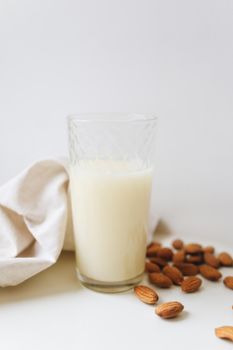
Unsweetened Original Almond Beverage
Phosphorus17 mg
Sodium75 mg
Potassium79 mg
常见问题
Is 芝士牛奶肉类蛋面包砂锅 safe for people with kidney disease?
芝士牛奶肉类蛋面包砂锅 is rated Limit for CKD patients. Limit intake if you have CKD. With 178.0mg phosphorus, 420.0mg sodium, and 184.0mg potassium per 100.0g serving, you should keep portion sizes small and not eat it daily. Always confirm with your nephrologist or renal dietitian.
How much phosphorus is in 芝士牛奶肉类蛋面包砂锅?
A 100.0g serving of 芝士牛奶肉类蛋面包砂锅 contains 178mg of phosphorus, which is approximately 18% of the recommended 1,000mg daily limit for CKD Stage 3-4 patients.
How much sodium is in 芝士牛奶肉类蛋面包砂锅?
Per 100.0g serving, 芝士牛奶肉类蛋面包砂锅 provides 420mg of sodium — about 18% of the 2,300mg daily sodium limit recommended for kidney patients.
How much potassium is in 芝士牛奶肉类蛋面包砂锅?
芝士牛奶肉类蛋面包砂锅 contains 184mg of potassium per 100.0g serving, equivalent to about 9% of the daily 2,000mg potassium limit for CKD Stage 3-4 patients.
Can dialysis patients eat 芝士牛奶肉类蛋面包砂锅?
Dialysis patients have stricter mineral limits. Given 芝士牛奶肉类蛋面包砂锅 is rated Limit (Limit intake if you have CKD), dialysis patients should consult their dietitian before consuming this food. Your dialysis team can give you personalised portion advice.
更多肉类与蛋白质
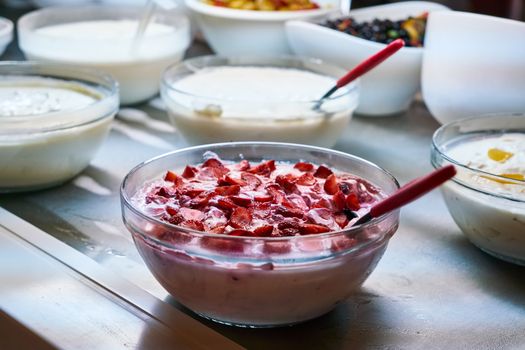
Nonfat Milk Flavors Other Than Fruit Yogurt
Phosphorus109 mg
Sodium44 mg
Potassium181 mg
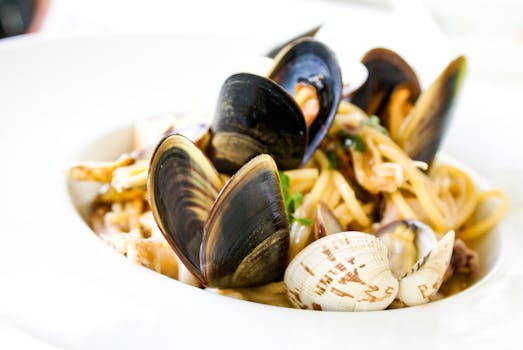
Spaghetti Sauce With Seafood And Added Vegetables
Phosphorus81 mg
Sodium353 mg
Potassium323 mg
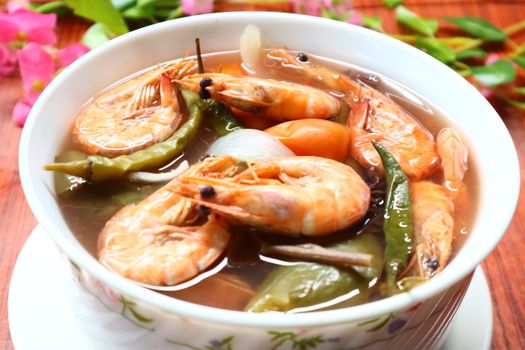
Hipon (Shrimp)
Phosphorus214 mg
Sodium111 mg
Potassium259 mg
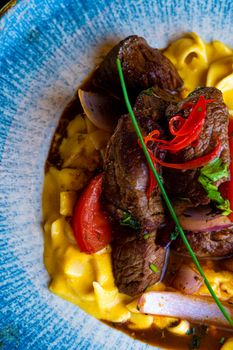
Beef With Pasta Stew
Phosphorus88 mg
Sodium299 mg
Potassium184 mg
Free forever — built after 7 years on dialysis
I made KidneyFoods so no one has to guess what's safe to eat. If this page helped you today, a small donation keeps the lights on for the next person searching.
Last updated: April 18, 2026 · Data source: USDA FoodData Central & KDOQI guidelines