CKD 每日限值占比
基于 CKD 3–4 期每日限值
常见问题
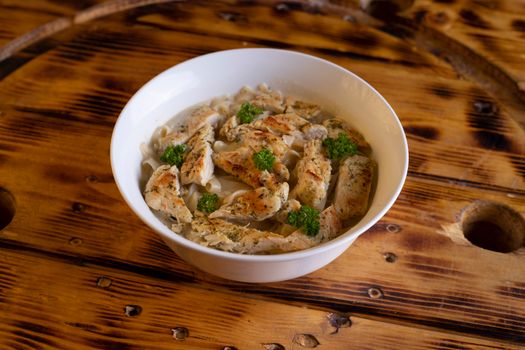
Is 块状鸡肉&面条 块状鸡肉&面条 白肉鸡配新鲜意大利面在奶油酱中 safe for people with kidney disease?
块状鸡肉&面条 块状鸡肉&面条 白肉鸡配新鲜意大利面在奶油酱中 is rated Moderate for CKD patients. Eat in moderate portions if you have CKD. With 95.0mg phosphorus, 238.0mg sodium, and 125.0mg potassium per 100.0g serving, moderate portions are usually fine, but watch your daily totals. Always confirm with your nephrologist or renal dietitian.
How much phosphorus is in 块状鸡肉&面条 块状鸡肉&面条 白肉鸡配新鲜意大利面在奶油酱中?
A 100.0g serving of 块状鸡肉&面条 块状鸡肉&面条 白肉鸡配新鲜意大利面在奶油酱中 contains 95mg of phosphorus, which is approximately 10% of the recommended 1,000mg daily limit for CKD Stage 3-4 patients.
How much sodium is in 块状鸡肉&面条 块状鸡肉&面条 白肉鸡配新鲜意大利面在奶油酱中?
Per 100.0g serving, 块状鸡肉&面条 块状鸡肉&面条 白肉鸡配新鲜意大利面在奶油酱中 provides 238mg of sodium — about 10% of the 2,300mg daily sodium limit recommended for kidney patients.
How much potassium is in 块状鸡肉&面条 块状鸡肉&面条 白肉鸡配新鲜意大利面在奶油酱中?
块状鸡肉&面条 块状鸡肉&面条 白肉鸡配新鲜意大利面在奶油酱中 contains 125mg of potassium per 100.0g serving, equivalent to about 6% of the daily 2,000mg potassium limit for CKD Stage 3-4 patients.
Can dialysis patients eat 块状鸡肉&面条 块状鸡肉&面条 白肉鸡配新鲜意大利面在奶油酱中?
Dialysis patients have stricter mineral limits. Given 块状鸡肉&面条 块状鸡肉&面条 白肉鸡配新鲜意大利面在奶油酱中 is rated Moderate (Eat in moderate portions if you have CKD), dialysis patients should eat smaller portions and monitor their weekly intake. Your dialysis team can give you personalised portion advice.
更多零食

Liqueur
Phosphorus3 mg
Sodium1 mg
Potassium2 mg
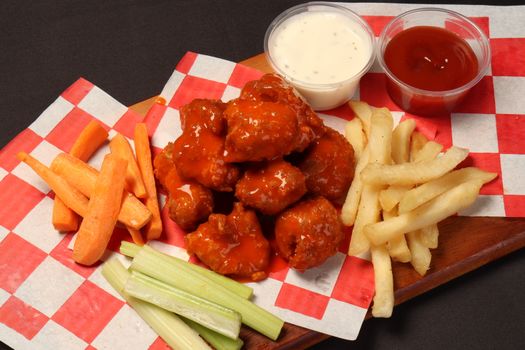
Bold Buffalo Style Bold Buffalo Style Chicken Creations
Phosphorus141 mg
Sodium690 mg
Potassium197 mg
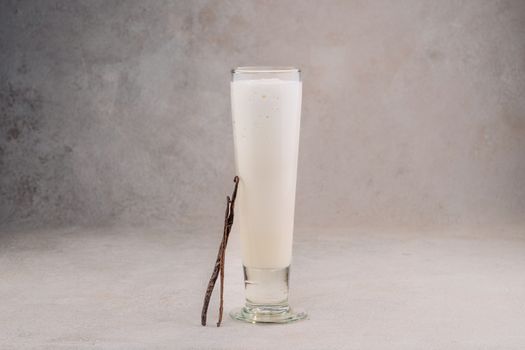
French Vanilla French Vanilla Flavor All-in-one Nutritional Shake Drink Mix
Phosphorus732 mg
Sodium73 mg
Potassium561 mg
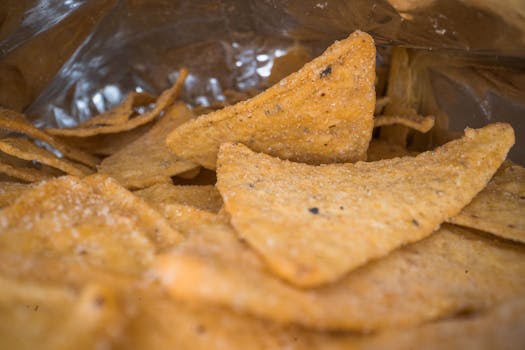
Keebler Eagle Salty Snacks Crisps Bbq .78oz
Phosphorus226 mg
Sodium820 mg
Potassium242 mg
Free forever — built after 7 years on dialysis
I made KidneyFoods so no one has to guess what's safe to eat. If this page helped you today, a small donation keeps the lights on for the next person searching.
Last updated: April 18, 2026 · Data source: USDA FoodData Central & KDOQI guidelines