
CKD 每日限值占比
基于 CKD 3–4 期每日限值
常见问题
Is 椰子水 菠萝味 safe for people with kidney disease?
椰子水 菠萝味 is rated Safe for CKD patients. Good choice for kidney disease patients. With 6.0mg phosphorus, 6.0mg sodium, and 206.0mg potassium per 100.0g serving, it can be enjoyed in normal portion sizes. Always confirm with your nephrologist or renal dietitian.
How much phosphorus is in 椰子水 菠萝味?
A 100.0g serving of 椰子水 菠萝味 contains 6mg of phosphorus, which is approximately 1% of the recommended 1,000mg daily limit for CKD Stage 3-4 patients.
How much sodium is in 椰子水 菠萝味?
Per 100.0g serving, 椰子水 菠萝味 provides 6mg of sodium — about 0% of the 2,300mg daily sodium limit recommended for kidney patients.
How much potassium is in 椰子水 菠萝味?
椰子水 菠萝味 contains 206mg of potassium per 100.0g serving, equivalent to about 10% of the daily 2,000mg potassium limit for CKD Stage 3-4 patients.
Can dialysis patients eat 椰子水 菠萝味?
Dialysis patients have stricter mineral limits. Given 椰子水 菠萝味 is rated Safe (Good choice for kidney disease patients), it is generally a good choice for dialysis patients in normal portions. Your dialysis team can give you personalised portion advice.
更多零食

Purely Chocolate Purely Chocolate Non-dairy Frozen Dessert
Phosphorus0 mg
Sodium103 mg
Potassium9 mg

Fruity Cereal Crunch Fruity Cereal Crunch Flavored Meal Replacement Bars
Phosphorus250 mg
Sodium540 mg
Potassium180 mg

Taho (Tofu Pudding)
Phosphorus75 mg
Sodium50 mg
Potassium110 mg
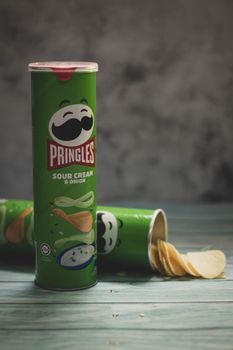
Pringles Crisps Sour Cream & Onion 5.96oz
Phosphorus94 mg
Sodium579 mg
Potassium409 mg
Free forever — built after 7 years on dialysis
I made KidneyFoods so no one has to guess what's safe to eat. If this page helped you today, a small donation keeps the lights on for the next person searching.
Last updated: April 18, 2026 · Data source: USDA FoodData Central & KDOQI guidelines