CKD 每日限值占比
基于 CKD 3–4 期每日限值
Grains & Starches
Moderate
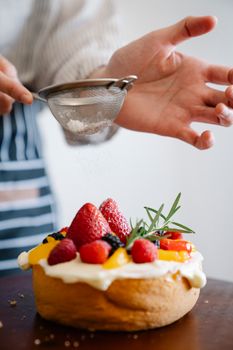
漏勺蛋糕(加糖和水果)
每 100gram 份的营养成分与 CKD 安全等级
分量
100.0 gram
来源与备注
USDA FNDDS (foodCode: 55801010)
常见问题
Is 漏勺蛋糕(加糖和水果) safe for people with kidney disease?
漏勺蛋糕(加糖和水果) is rated Moderate for CKD patients. Eat in moderate portions if you have CKD. With 111.0mg phosphorus, 211.0mg sodium, and 146.0mg potassium per 100.0g serving, moderate portions are usually fine, but watch your daily totals. Always confirm with your nephrologist or renal dietitian.
How much phosphorus is in 漏勺蛋糕(加糖和水果)?
A 100.0g serving of 漏勺蛋糕(加糖和水果) contains 111mg of phosphorus, which is approximately 11% of the recommended 1,000mg daily limit for CKD Stage 3-4 patients.
How much sodium is in 漏勺蛋糕(加糖和水果)?
Per 100.0g serving, 漏勺蛋糕(加糖和水果) provides 211mg of sodium — about 9% of the 2,300mg daily sodium limit recommended for kidney patients.
How much potassium is in 漏勺蛋糕(加糖和水果)?
漏勺蛋糕(加糖和水果) contains 146mg of potassium per 100.0g serving, equivalent to about 7% of the daily 2,000mg potassium limit for CKD Stage 3-4 patients.
Can dialysis patients eat 漏勺蛋糕(加糖和水果)?
Dialysis patients have stricter mineral limits. Given 漏勺蛋糕(加糖和水果) is rated Moderate (Eat in moderate portions if you have CKD), dialysis patients should eat smaller portions and monitor their weekly intake. Your dialysis team can give you personalised portion advice.
在哪里购买 漏勺蛋糕(加糖和水果)
Shop from trusted retailers — we may earn a small commission at no extra cost.
Shop 漏勺蛋糕(加糖和水果) on Amazon
Shop now
Affiliate Disclosure: As an Amazon Associate, KidneyFoods earns from qualifying purchases. This helps keep the site free — at no extra cost to you.
更多Grains & Starches
Golden Honey Puffs
Phosphorus148 mg
Sodium241 mg
Potassium167 mg
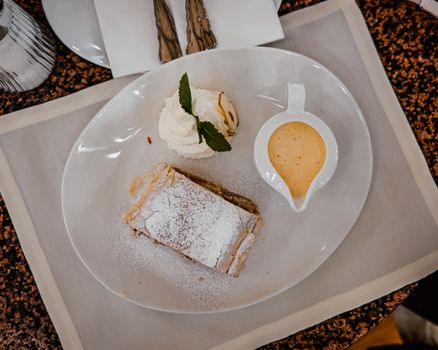
Cherry Strudel
Phosphorus30 mg
Sodium131 mg
Potassium89 mg
Peanut Butter Peanut Butter Flavored Cereal Cups
Phosphorus54 mg
Sodium514 mg
Potassium135 mg
Peanut Butter & Cocoa Peanut Butter & Cocoa Moons Sweetened Crunchy Corn Cereal
Phosphorus276 mg
Sodium552 mg
Potassium293 mg
Free forever — built after 7 years on dialysis
I made KidneyFoods so no one has to guess what's safe to eat. If this page helped you today, a small donation keeps the lights on for the next person searching.
Last updated: April 18, 2026 · Data source: USDA FoodData Central & KDOQI guidelines