CKD 每日限值占比
基于 CKD 3–4 期每日限值
肾友替代品
在 肉类与蛋白质 中寻找更安全的选择?可以试试这些:
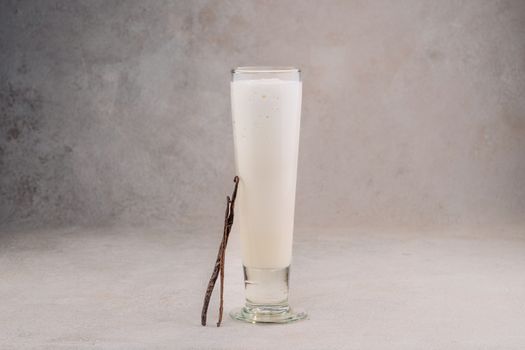
Vanilla Bean Vanilla Bean Regular Nutritional Shake
Phosphorus131 mg
Sodium76 mg
Potassium156 mg
Vanilla Vanilla Hint Of Honey Almondmilk
Phosphorus8 mg
Sodium62 mg
Potassium71 mg
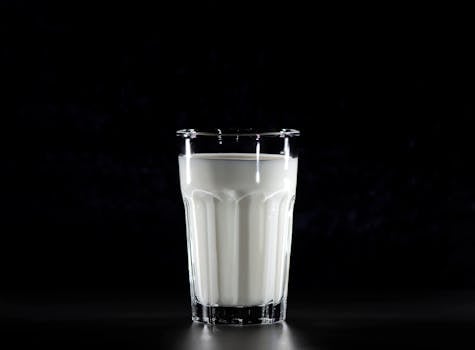
Vanilla Protein Milk Beverage
Phosphorus28 mg
Sodium71 mg
Potassium141 mg
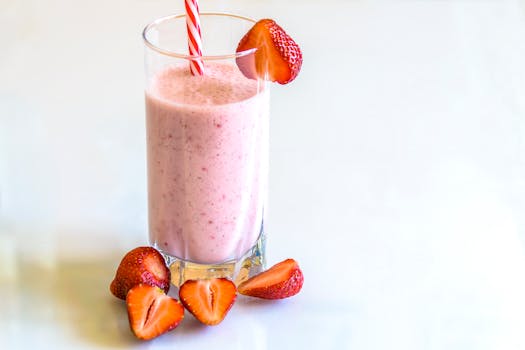
Protein-rich Shake Strawberry
Phosphorus142 mg
Sodium62 mg
Potassium126 mg
常见问题
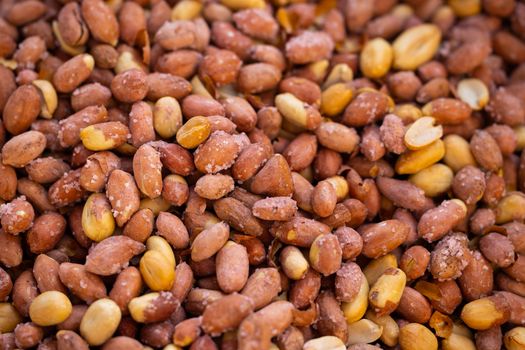
Is 低盐花生 safe for people with kidney disease?
低盐花生 is rated Avoid for CKD patients. Avoid or eat rarely if you have CKD. With 361.0mg phosphorus, 199.0mg sodium, and 631.0mg potassium per 100.0g serving, it is best avoided or eaten only on special occasions. Always confirm with your nephrologist or renal dietitian.
How much phosphorus is in 低盐花生?
A 100.0g serving of 低盐花生 contains 361mg of phosphorus, which is approximately 36% of the recommended 1,000mg daily limit for CKD Stage 3-4 patients.
How much sodium is in 低盐花生?
Per 100.0g serving, 低盐花生 provides 199mg of sodium — about 9% of the 2,300mg daily sodium limit recommended for kidney patients.
How much potassium is in 低盐花生?
低盐花生 contains 631mg of potassium per 100.0g serving, equivalent to about 32% of the daily 2,000mg potassium limit for CKD Stage 3-4 patients.
Can dialysis patients eat 低盐花生?
Dialysis patients have stricter mineral limits. Given 低盐花生 is rated Avoid (Avoid or eat rarely if you have CKD), dialysis patients should consult their dietitian before consuming this food. Your dialysis team can give you personalised portion advice.
更多肉类与蛋白质
Vanilla Vanilla Flavored Diabetic Care Nutritional Shakes
Phosphorus105 mg
Sodium89 mg
Potassium160 mg
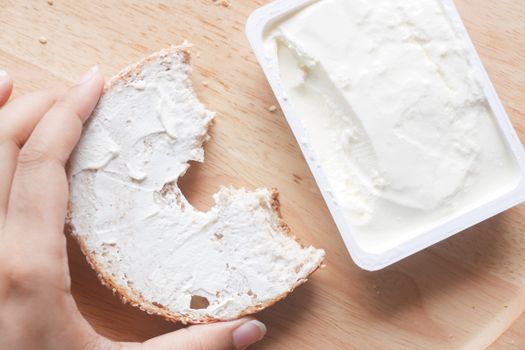
Light Cream Cheese
Phosphorus246 mg
Sodium479 mg
Potassium176 mg
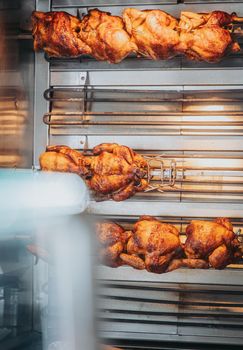
Rotisserie Chicken Wing
Phosphorus251 mg
Sodium579 mg
Potassium285 mg
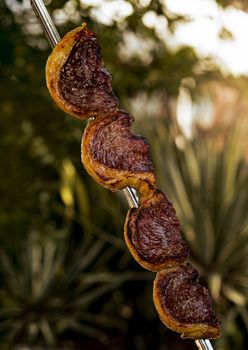
Brazilian Picanha
Phosphorus200 mg
Sodium65 mg
Potassium315 mg
Free forever — built after 7 years on dialysis
I made KidneyFoods so no one has to guess what's safe to eat. If this page helped you today, a small donation keeps the lights on for the next person searching.
Last updated: April 18, 2026 · Data source: USDA FoodData Central & KDOQI guidelines