CKD 每日限值占比
基于 CKD 3–4 期每日限值
肾友替代品
在 零食 中寻找更安全的选择?可以试试这些:
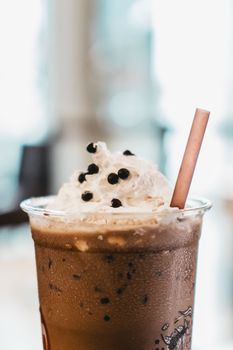
With Whipped Cream Frozen Mocha Coffee Drink
Phosphorus52 mg
Sodium33 mg
Potassium99 mg
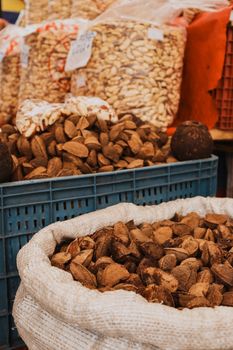
100% Natural Nuts + Cocoa Brazil Nuts Beverage
Phosphorus41 mg
Sodium20 mg
Potassium50 mg
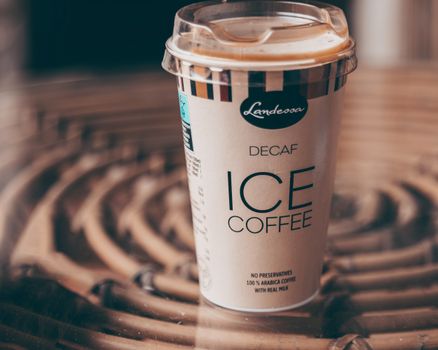
Decaffeinated Nonfat Frozen Coffee Drink
Phosphorus50 mg
Sodium22 mg
Potassium95 mg
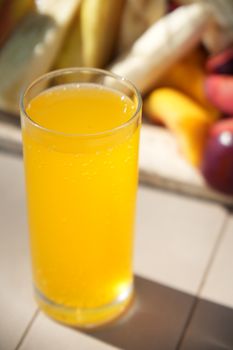
Light Fruit Juice Drink
Phosphorus1 mg
Sodium2 mg
Potassium11 mg
常见问题
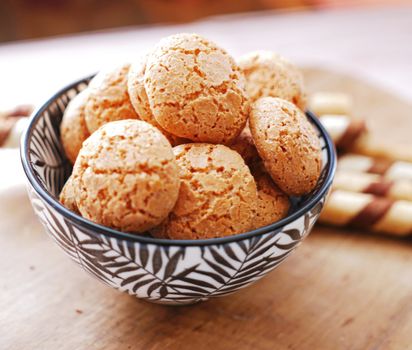
Is 杏仁脆饼 safe for people with kidney disease?
杏仁脆饼 is rated Avoid for CKD patients. Avoid or eat rarely if you have CKD. With 210.0mg phosphorus, 40.0mg sodium, and 380.0mg potassium per 100.0g serving, it is best avoided or eaten only on special occasions. Always confirm with your nephrologist or renal dietitian.
How much phosphorus is in 杏仁脆饼?
A 100.0g serving of 杏仁脆饼 contains 210mg of phosphorus, which is approximately 21% of the recommended 1,000mg daily limit for CKD Stage 3-4 patients.
How much sodium is in 杏仁脆饼?
Per 100.0g serving, 杏仁脆饼 provides 40mg of sodium — about 2% of the 2,300mg daily sodium limit recommended for kidney patients.
How much potassium is in 杏仁脆饼?
杏仁脆饼 contains 380mg of potassium per 100.0g serving, equivalent to about 19% of the daily 2,000mg potassium limit for CKD Stage 3-4 patients.
Can dialysis patients eat 杏仁脆饼?
Dialysis patients have stricter mineral limits. Given 杏仁脆饼 is rated Avoid (Avoid or eat rarely if you have CKD), dialysis patients should consult their dietitian before consuming this food. Your dialysis team can give you personalised portion advice.
更多零食
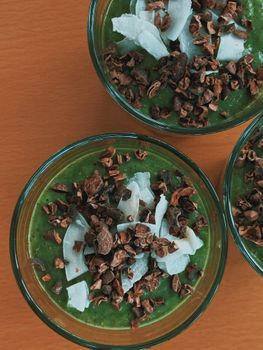
Organic Cocoa Awakening Breakfast Superfood Blend Smoothie Mix
Phosphorus521 mg
Sodium135 mg
Potassium1480 mg
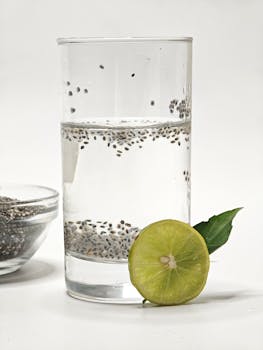
Infusions Natural Ground Chia Super-seed Beverage Chia / Vie
Phosphorus11 mg
Sodium4 mg
Potassium17 mg
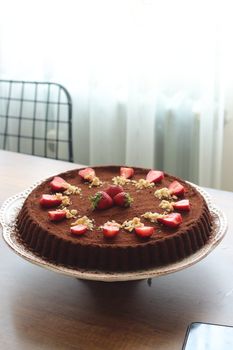
Chocolate Cake Chocolate Cake Whole Nutrition Bar For Women
Phosphorus417 mg
Sodium312 mg
Potassium292 mg
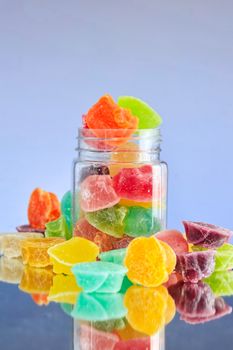
Hard Candy
Phosphorus0 mg
Sodium11 mg
Potassium1 mg
Free forever — built after 7 years on dialysis
I made KidneyFoods so no one has to guess what's safe to eat. If this page helped you today, a small donation keeps the lights on for the next person searching.
Last updated: June 2, 2026 · Data source: USDA FoodData Central & KDOQI guidelines