CKD 每日限值占比
基于 CKD 3–4 期每日限值
常见问题
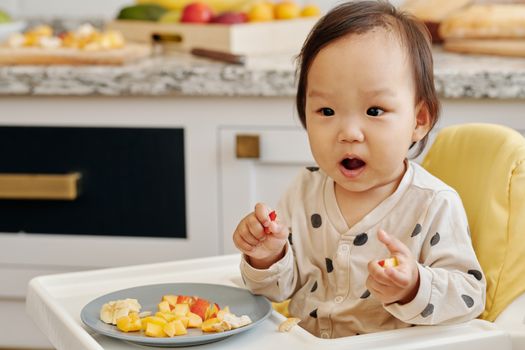
Is 第3阶段,幼儿水果蔬菜 safe for people with kidney disease?
第3阶段,幼儿水果蔬菜 is rated Safe for CKD patients. Good choice for kidney disease patients. With 20.0mg phosphorus, 14.0mg sodium, and 192.0mg potassium per 100.0g serving, it can be enjoyed in normal portion sizes. Always confirm with your nephrologist or renal dietitian.
How much phosphorus is in 第3阶段,幼儿水果蔬菜?
A 100.0g serving of 第3阶段,幼儿水果蔬菜 contains 20mg of phosphorus, which is approximately 2% of the recommended 1,000mg daily limit for CKD Stage 3-4 patients.
How much sodium is in 第3阶段,幼儿水果蔬菜?
Per 100.0g serving, 第3阶段,幼儿水果蔬菜 provides 14mg of sodium — about 1% of the 2,300mg daily sodium limit recommended for kidney patients.
How much potassium is in 第3阶段,幼儿水果蔬菜?
第3阶段,幼儿水果蔬菜 contains 192mg of potassium per 100.0g serving, equivalent to about 10% of the daily 2,000mg potassium limit for CKD Stage 3-4 patients.
Can dialysis patients eat 第3阶段,幼儿水果蔬菜?
Dialysis patients have stricter mineral limits. Given 第3阶段,幼儿水果蔬菜 is rated Safe (Good choice for kidney disease patients), it is generally a good choice for dialysis patients in normal portions. Your dialysis team can give you personalised portion advice.
在哪里购买 第3阶段,幼儿水果蔬菜
Shop from trusted retailers — we may earn a small commission at no extra cost.
Shop 第3阶段,幼儿水果蔬菜 on Amazon
Shop now
Affiliate Disclosure: As an Amazon Associate, KidneyFoods earns from qualifying purchases. This helps keep the site free — at no extra cost to you.
更多水果

Toddler Pudding
Phosphorus55 mg
Sodium26 mg
Potassium68 mg
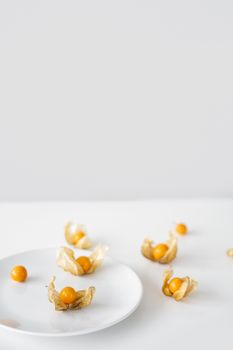
Aguaymanto (Cape Gooseberry)
Phosphorus40 mg
Sodium1 mg
Potassium283 mg
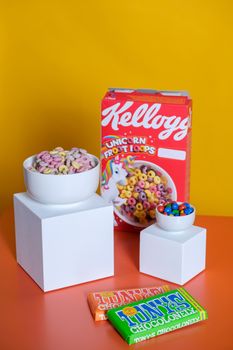
Kellogg's Other Licensed Fruit Pieces Hot Wheels 17.6oz
Phosphorus7 mg
Sodium21 mg
Potassium1 mg
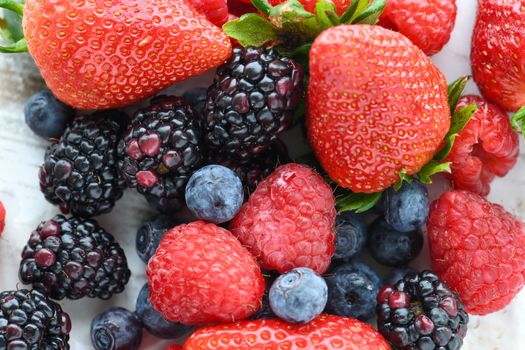
Kellogg's Fruit Pieces Non-licensed Mixed Berry 2.5oz
Phosphorus8 mg
Sodium16 mg
Potassium1 mg
Free forever — built after 7 years on dialysis
I made KidneyFoods so no one has to guess what's safe to eat. If this page helped you today, a small donation keeps the lights on for the next person searching.
Last updated: April 18, 2026 · Data source: USDA FoodData Central & KDOQI guidelines