CKD 每日限值占比
基于 CKD 3–4 期每日限值
肾友替代品
在 零食 中寻找更安全的选择?可以试试这些:
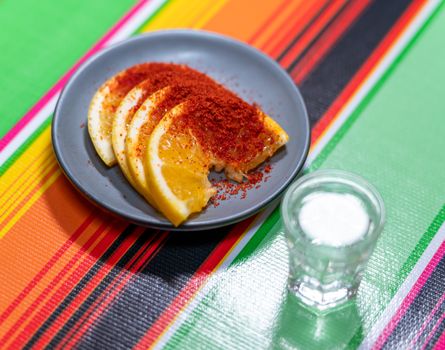
Powdered Reconstituted Fruit Flavored Drink
Phosphorus7 mg
Sodium12 mg
Potassium3 mg

Kellogg Special K Breakfast Shake Vanilla Cappuccino 10fl Oz
Phosphorus80 mg
Sodium74 mg
Potassium137 mg

Premium Organic Coconut Water Zico
Phosphorus8 mg
Sodium17 mg
Potassium179 mg
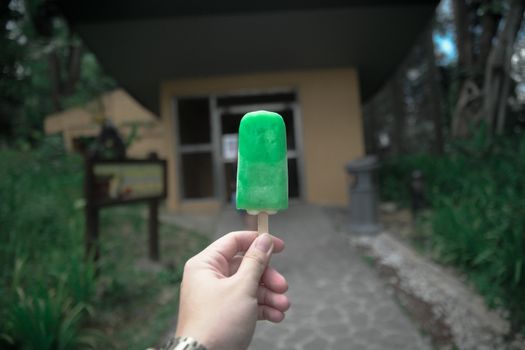
No Popsicle
Phosphorus0 mg
Sodium10 mg
Potassium11 mg
常见问题
Is 核桃仁片 safe for people with kidney disease?
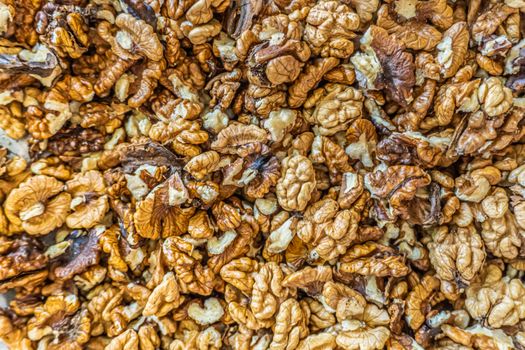
核桃仁片 is rated Limit for CKD patients. Limit intake if you have CKD. With 347.0mg phosphorus, 0.0mg sodium, and 440.0mg potassium per 100.0g serving, you should keep portion sizes small and not eat it daily. Always confirm with your nephrologist or renal dietitian.
How much phosphorus is in 核桃仁片?
A 100.0g serving of 核桃仁片 contains 347mg of phosphorus, which is approximately 35% of the recommended 1,000mg daily limit for CKD Stage 3-4 patients.
How much sodium is in 核桃仁片?
Per 100.0g serving, 核桃仁片 provides 0mg of sodium — about 0% of the 2,300mg daily sodium limit recommended for kidney patients.
How much potassium is in 核桃仁片?
核桃仁片 contains 440mg of potassium per 100.0g serving, equivalent to about 22% of the daily 2,000mg potassium limit for CKD Stage 3-4 patients.
Can dialysis patients eat 核桃仁片?
Dialysis patients have stricter mineral limits. Given 核桃仁片 is rated Limit (Limit intake if you have CKD), dialysis patients should consult their dietitian before consuming this food. Your dialysis team can give you personalised portion advice.
更多零食
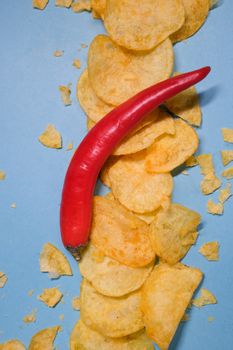
Spicy Pickle Kettle Cooked Potato Chips
Phosphorus143 mg
Sodium679 mg
Potassium1000 mg
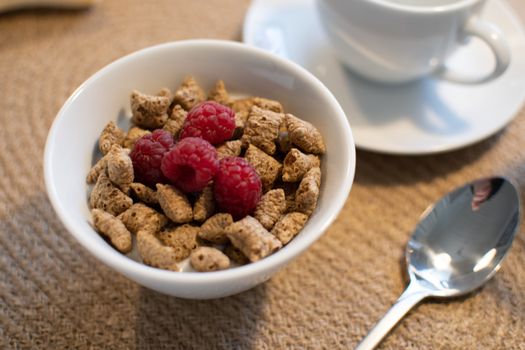
Raspberry Fruit & Grain Cereal Bar
Phosphorus108 mg
Sodium243 mg
Potassium230 mg
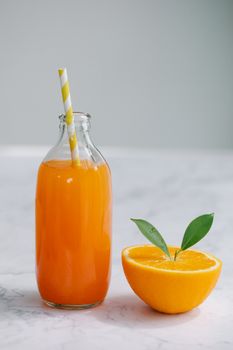
Organic Orange Fruit Juice Smoothie
Phosphorus33 mg
Sodium43 mg
Potassium210 mg

Coconut Water Chocolate Zico
Phosphorus10 mg
Sodium43 mg
Potassium169 mg
Free forever — built after 7 years on dialysis
I made KidneyFoods so no one has to guess what's safe to eat. If this page helped you today, a small donation keeps the lights on for the next person searching.
Last updated: April 18, 2026 · Data source: USDA FoodData Central & KDOQI guidelines