CKD Daily Limit Impact
Based on CKD Stage 3-4 daily limits
🥦 Vegetables
Avoid
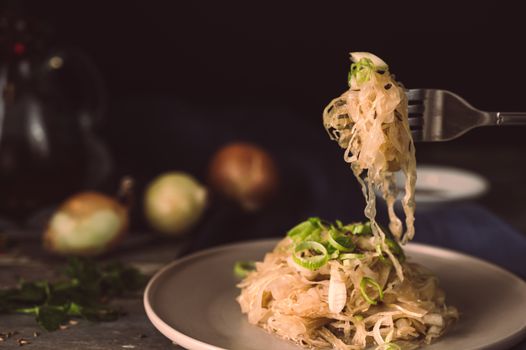
Sauerkraut
Nutrition facts & CKD safety rating per 100gram serving
Serving Size
100.0 gram
Calories
19 kcal
Protein
1.0 g
Carbs
4.0 g
Fat
0.0 g
Phosphorus Learn more →
20 mg
Sodium Learn more →
661 mg
Potassium Learn more →
170 mg
Source & Notes
Imported from american-foods. Hot dog topping.
Kidney-Friendly Alternatives
Looking for safer choices in Vegetables? Try these instead:
With Natural Mango & Peach Flavors All Natural Banana Juice Concentrate
Phosphorus6 mg
Sodium3 mg
Potassium239 mg
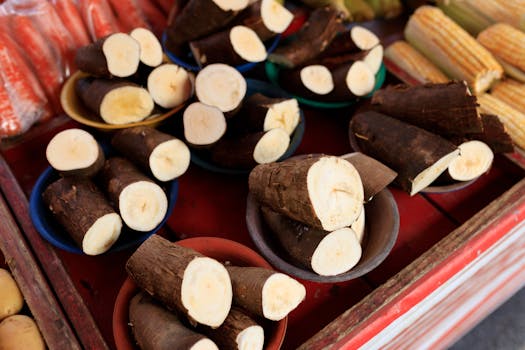
Cassava Flour
Phosphorus39 mg
Sodium13 mg
Potassium197 mg
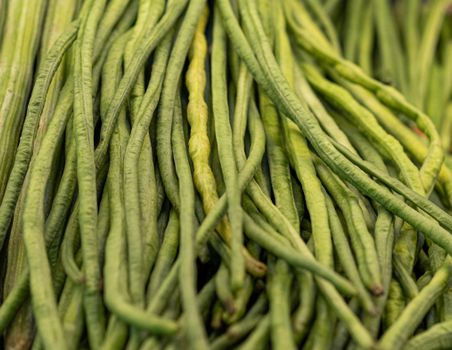
Sitaw (Yard-long Beans)
Phosphorus59 mg
Sodium4 mg
Potassium240 mg

Aji Dulce (Sweet Pepper)
Phosphorus20 mg
Sodium3 mg
Potassium175 mg
Frequently Asked Questions
Is Sauerkraut safe for people with kidney disease?
Sauerkraut is rated Avoid for CKD patients. Avoid or eat rarely if you have CKD. With 20.0mg phosphorus, 661.0mg sodium, and 170.0mg potassium per 100.0g serving, it is best avoided or eaten only on special occasions. Always confirm with your nephrologist or renal dietitian.
How much phosphorus is in Sauerkraut?
A 100.0g serving of Sauerkraut contains 20mg of phosphorus, which is approximately 2% of the recommended 1,000mg daily limit for CKD Stage 3-4 patients.
How much sodium is in Sauerkraut?
Per 100.0g serving, Sauerkraut provides 661mg of sodium — about 29% of the 2,300mg daily sodium limit recommended for kidney patients.
How much potassium is in Sauerkraut?
Sauerkraut contains 170mg of potassium per 100.0g serving, equivalent to about 9% of the daily 2,000mg potassium limit for CKD Stage 3-4 patients.
Can dialysis patients eat Sauerkraut?
Dialysis patients have stricter mineral limits. Given Sauerkraut is rated Avoid (Avoid or eat rarely if you have CKD), dialysis patients should consult their dietitian before consuming this food. Your dialysis team can give you personalised portion advice.
More Vegetables
Last updated: May 24, 2026 · Data source: USDA FoodData Central & KDOQI guidelines