
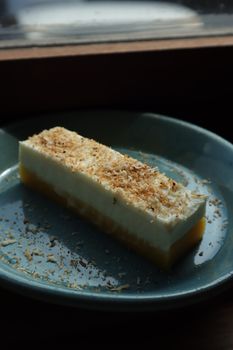
CKD Daily Limit Impact
Based on CKD Stage 3-4 daily limits
Grains & Starches
Safe
Coconut Cream Pie
Nutrition facts & CKD safety rating per 100gram serving
Serving Size
100.0 gram
Calories
297 kcal
Protein
2.6 g
Carbs
32.0 g
Fat
17.8 g
Phosphorus Learn more →
53 mg
Sodium Learn more →
169 mg
Potassium Learn more →
91 mg
Source & Notes
USDA FNDDS (foodCode: 53343000)
Frequently Asked Questions
Is Coconut Cream Pie safe for people with kidney disease?
Coconut Cream Pie is rated Safe for CKD patients. Good choice for kidney disease patients. With 53.0mg phosphorus, 169.0mg sodium, and 91.0mg potassium per 100.0g serving, it can be enjoyed in normal portion sizes. Always confirm with your nephrologist or renal dietitian.
How much phosphorus is in Coconut Cream Pie?
A 100.0g serving of Coconut Cream Pie contains 53mg of phosphorus, which is approximately 5% of the recommended 1,000mg daily limit for CKD Stage 3-4 patients.
How much sodium is in Coconut Cream Pie?
Per 100.0g serving, Coconut Cream Pie provides 169mg of sodium — about 7% of the 2,300mg daily sodium limit recommended for kidney patients.
How much potassium is in Coconut Cream Pie?
Coconut Cream Pie contains 91mg of potassium per 100.0g serving, equivalent to about 5% of the daily 2,000mg potassium limit for CKD Stage 3-4 patients.
Can dialysis patients eat Coconut Cream Pie?
Dialysis patients have stricter mineral limits. Given Coconut Cream Pie is rated Safe (Good choice for kidney disease patients), it is generally a good choice for dialysis patients in normal portions. Your dialysis team can give you personalised portion advice.
Where to Buy Coconut Cream Pie
Shop from trusted retailers — we may earn a small commission at no extra cost.
Shop Coconut Cream Pie on Amazon
Shop now
Affiliate Disclosure: As an Amazon Associate, KidneyFoods earns from qualifying purchases. This helps keep the site free — at no extra cost to you.
More Grains & Starches

Free forever — built after 7 years on dialysis
I made KidneyFoods so no one has to guess what's safe to eat. If this page helped you today, a small donation keeps the lights on for the next person searching.
Last updated: April 18, 2026 · Data source: USDA FoodData Central & KDOQI guidelines