CKD 每日限值占比
基于 CKD 3–4 期每日限值
🍚 Grains & Starches
Avoid
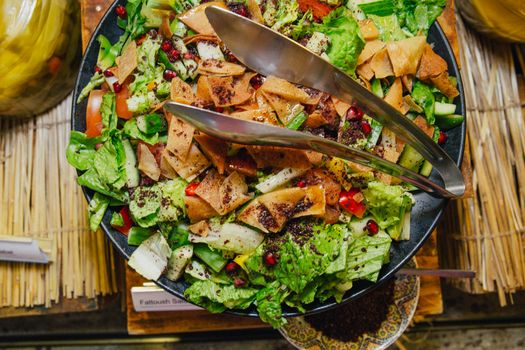
皮塔芯片
每 100gram 份的营养成分与 CKD 安全等级
分量
100.0 gram
来源与备注
USDA FNDDS (foodCode: 54402700)
肾友替代品
在 Grains & Starches 中寻找更安全的选择?可以试试这些:
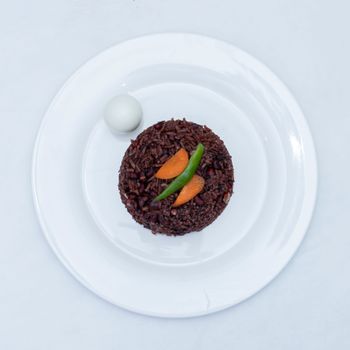
Brown With Carrots Rice
Phosphorus86 mg
Sodium168 mg
Potassium115 mg
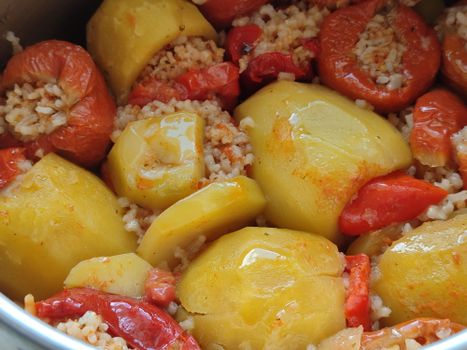
With Rice Meatless Stuffed Tomato
Phosphorus33 mg
Sodium123 mg
Potassium182 mg
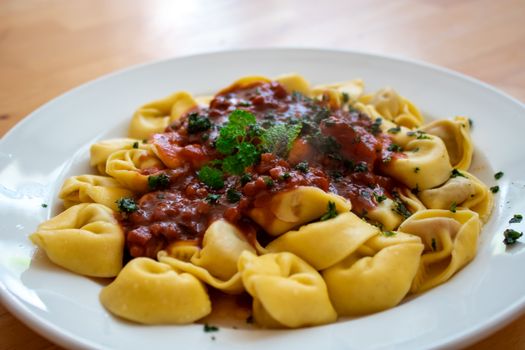
Cheese-filled No Sauce Tortellini
Phosphorus139 mg
Sodium156 mg
Potassium21 mg
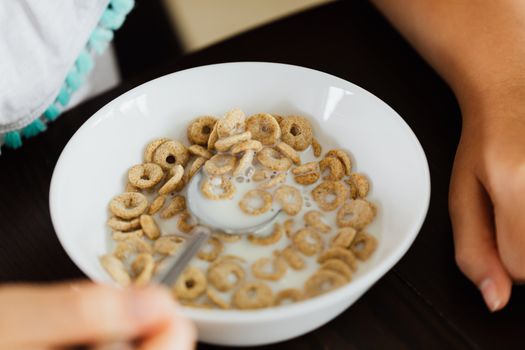
Original Original Quick Cooking Hot Wheat Cereal
Phosphorus114 mg
Sodium0 mg
Potassium86 mg
常见问题
Is 皮塔芯片 safe for people with kidney disease?
皮塔芯片 is rated Avoid for CKD patients. Avoid or eat rarely if you have CKD. With 124.0mg phosphorus, 854.0mg sodium, and 129.0mg potassium per 100.0g serving, it is best avoided or eaten only on special occasions. Always confirm with your nephrologist or renal dietitian.
How much phosphorus is in 皮塔芯片?
A 100.0g serving of 皮塔芯片 contains 124mg of phosphorus, which is approximately 12% of the recommended 1,000mg daily limit for CKD Stage 3-4 patients.
How much sodium is in 皮塔芯片?
Per 100.0g serving, 皮塔芯片 provides 854mg of sodium — about 37% of the 2,300mg daily sodium limit recommended for kidney patients.
How much potassium is in 皮塔芯片?
皮塔芯片 contains 129mg of potassium per 100.0g serving, equivalent to about 6% of the daily 2,000mg potassium limit for CKD Stage 3-4 patients.
Can dialysis patients eat 皮塔芯片?
Dialysis patients have stricter mineral limits. Given 皮塔芯片 is rated Avoid (Avoid or eat rarely if you have CKD), dialysis patients should consult their dietitian before consuming this food. Your dialysis team can give you personalised portion advice.
更多Grains & Starches
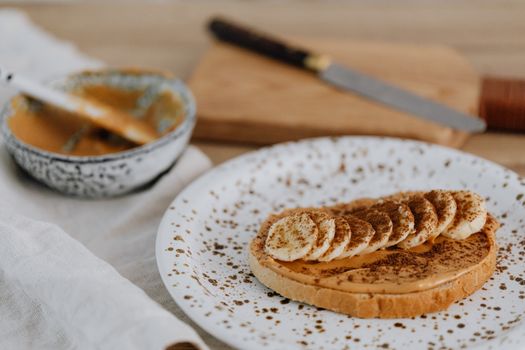
Cocoa Peanut Butter Cocoa Peanut Butter Cereal
Phosphorus150 mg
Sodium550 mg
Potassium250 mg
Extra Raisin Brain Cereal
Phosphorus268 mg
Sodium518 mg
Potassium571 mg
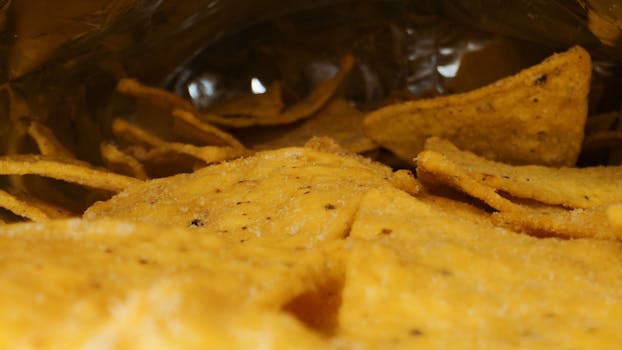
Cheese Flavored Corn Snacks
Phosphorus126 mg
Sodium928 mg
Potassium180 mg

Chocolate No Icing Cake Or Cake
Phosphorus221 mg
Sodium387 mg
Potassium117 mg
Free forever — built after 7 years on dialysis
I made KidneyFoods so no one has to guess what's safe to eat. If this page helped you today, a small donation keeps the lights on for the next person searching.
Last updated: April 18, 2026 · Data source: USDA FoodData Central & KDOQI guidelines