CKD 每日限值占比
基于 CKD 3–4 期每日限值
肾友替代品
在 肉类与蛋白质 中寻找更安全的选择?可以试试这些:

Yoplait Kid Cookie Crisp Vanilla Cereal Topper
Phosphorus13 mg
Sodium84 mg
Potassium158 mg

Meringues
Phosphorus10 mg
Sodium113 mg
Potassium111 mg
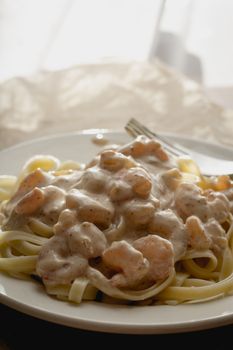
Shrimp And Noodles With Cream Or White Sauce
Phosphorus120 mg
Sodium162 mg
Potassium96 mg
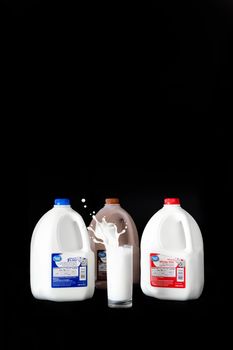
Reduced Sugar Reduced Fat Chocolate Milk
Phosphorus97 mg
Sodium47 mg
Potassium163 mg
常见问题
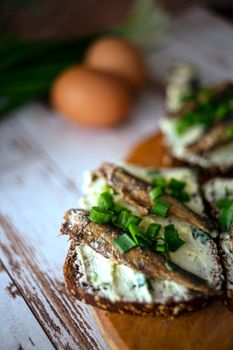
Is 沙丁鱼三明治 safe for people with kidney disease?
沙丁鱼三明治 is rated Limit for CKD patients. Limit intake if you have CKD. With 322.0mg phosphorus, 371.0mg sodium, and 273.0mg potassium per 100.0g serving, you should keep portion sizes small and not eat it daily. Always confirm with your nephrologist or renal dietitian.
How much phosphorus is in 沙丁鱼三明治?
A 100.0g serving of 沙丁鱼三明治 contains 322mg of phosphorus, which is approximately 32% of the recommended 1,000mg daily limit for CKD Stage 3-4 patients.
How much sodium is in 沙丁鱼三明治?
Per 100.0g serving, 沙丁鱼三明治 provides 371mg of sodium — about 16% of the 2,300mg daily sodium limit recommended for kidney patients.
How much potassium is in 沙丁鱼三明治?
沙丁鱼三明治 contains 273mg of potassium per 100.0g serving, equivalent to about 14% of the daily 2,000mg potassium limit for CKD Stage 3-4 patients.
Can dialysis patients eat 沙丁鱼三明治?
Dialysis patients have stricter mineral limits. Given 沙丁鱼三明治 is rated Limit (Limit intake if you have CKD), dialysis patients should consult their dietitian before consuming this food. Your dialysis team can give you personalised portion advice.
更多肉类与蛋白质
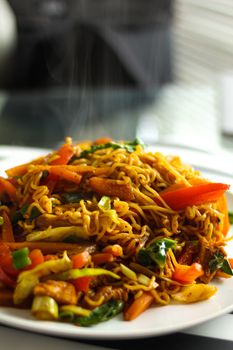
Noodles And Vegetables Excluding Carrots Fish
Phosphorus126 mg
Sodium303 mg
Potassium125 mg

With Meat Egg White Sandwich
Phosphorus151 mg
Sodium508 mg
Potassium181 mg
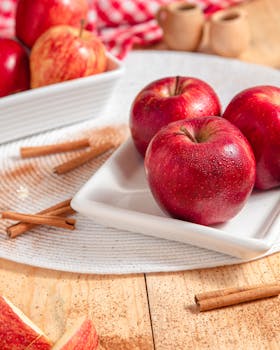
Apple Cinnamon Apple Cinnamon High Protein Shake
Phosphorus152 mg
Sodium70 mg
Potassium83 mg

Limited Edition Yoplait Whips! Pumpkin Spice Yogurt Mousse
Phosphorus88 mg
Sodium53 mg
Potassium177 mg
Free forever — built after 7 years on dialysis
I made KidneyFoods so no one has to guess what's safe to eat. If this page helped you today, a small donation keeps the lights on for the next person searching.
Last updated: April 18, 2026 · Data source: USDA FoodData Central & KDOQI guidelines