
CKD 每日限值占比
基于 CKD 3–4 期每日限值
🍚 Grains & Starches
Safe
蔬菜面食
每 100gram 份的营养成分与 CKD 安全等级
分量
100.0 gram
来源与备注
USDA FNDDS (foodCode: 56104000)
常见问题
Is 蔬菜面食 safe for people with kidney disease?
蔬菜面食 is rated Safe for CKD patients. Good choice for kidney disease patients. With 50.0mg phosphorus, 99.0mg sodium, and 31.0mg potassium per 100.0g serving, it can be enjoyed in normal portion sizes. Always confirm with your nephrologist or renal dietitian.
How much phosphorus is in 蔬菜面食?
A 100.0g serving of 蔬菜面食 contains 50mg of phosphorus, which is approximately 5% of the recommended 1,000mg daily limit for CKD Stage 3-4 patients.
How much sodium is in 蔬菜面食?
Per 100.0g serving, 蔬菜面食 provides 99mg of sodium — about 4% of the 2,300mg daily sodium limit recommended for kidney patients.
How much potassium is in 蔬菜面食?
蔬菜面食 contains 31mg of potassium per 100.0g serving, equivalent to about 2% of the daily 2,000mg potassium limit for CKD Stage 3-4 patients.
Can dialysis patients eat 蔬菜面食?
Dialysis patients have stricter mineral limits. Given 蔬菜面食 is rated Safe (Good choice for kidney disease patients), it is generally a good choice for dialysis patients in normal portions. Your dialysis team can give you personalised portion advice.
更多Grains & Starches
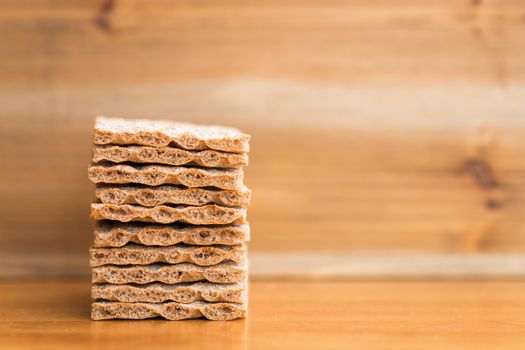
Whole Grain Sandwich Crackers
Phosphorus256 mg
Sodium635 mg
Potassium330 mg
Plain Oatmeal
Phosphorus77 mg
Sodium93 mg
Potassium74 mg
Honey Granola With Almonds Granola With Almonds Cereal With Crunchy Oat Clusters
Phosphorus344 mg
Sodium23 mg
Potassium312 mg
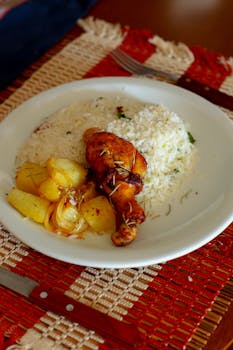
Puerto Rican Style Soupy Rice Mixture With Chicken And Potatoes
Phosphorus79 mg
Sodium290 mg
Potassium218 mg
Free forever — built after 7 years on dialysis
I made KidneyFoods so no one has to guess what's safe to eat. If this page helped you today, a small donation keeps the lights on for the next person searching.
Last updated: April 18, 2026 · Data source: USDA FoodData Central & KDOQI guidelines