CKD Daily Limit Impact
Based on CKD Stage 3-4 daily limits
🍚 Grains & Starches
Safe
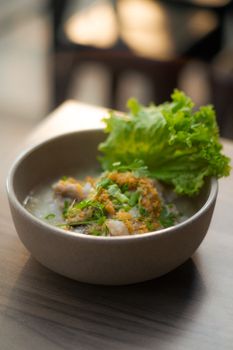
Lugaw (Rice Porridge)
Nutrition facts & CKD safety rating per 100gram serving
Serving Size
100.0 gram
Calories
60 kcal
Protein
1.0 g
Carbs
13.0 g
Fat
0.0 g
Phosphorus Learn more →
20 mg
Sodium Learn more →
80 mg
Potassium Learn more →
20 mg
Source & Notes
Imported from filipino-foods. ⭐ Plain. Sick food.
Frequently Asked Questions
Is Lugaw (Rice Porridge) safe for people with kidney disease?
Lugaw (Rice Porridge) is rated Safe for CKD patients. Good choice for kidney disease patients. With 20.0mg phosphorus, 80.0mg sodium, and 20.0mg potassium per 100.0g serving, it can be enjoyed in normal portion sizes. Always confirm with your nephrologist or renal dietitian.
How much phosphorus is in Lugaw (Rice Porridge)?
A 100.0g serving of Lugaw (Rice Porridge) contains 20mg of phosphorus, which is approximately 2% of the recommended 1,000mg daily limit for CKD Stage 3-4 patients.
How much sodium is in Lugaw (Rice Porridge)?
Per 100.0g serving, Lugaw (Rice Porridge) provides 80mg of sodium — about 3% of the 2,300mg daily sodium limit recommended for kidney patients.
How much potassium is in Lugaw (Rice Porridge)?
Lugaw (Rice Porridge) contains 20mg of potassium per 100.0g serving, equivalent to about 1% of the daily 2,000mg potassium limit for CKD Stage 3-4 patients.
Can dialysis patients eat Lugaw (Rice Porridge)?
Dialysis patients have stricter mineral limits. Given Lugaw (Rice Porridge) is rated Safe (Good choice for kidney disease patients), it is generally a good choice for dialysis patients in normal portions. Your dialysis team can give you personalised portion advice.
More Grains & Starches
Honey Oats & More With Honey Toasted Multigrain Flakes With Honey Oat Clusters Cereal
Phosphorus140 mg
Sodium395 mg
Potassium0 mg

Topped With Shrimp Sushi
Phosphorus111 mg
Sodium329 mg
Potassium65 mg
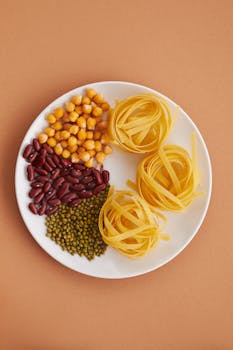
Spaghetti Organic Chickpeas And Lentils Pasta
Phosphorus400 mg
Sodium0 mg
Potassium1000 mg

Fruit Bread
Phosphorus131 mg
Sodium302 mg
Potassium171 mg
Last updated: May 24, 2026 · Data source: USDA FoodData Central & KDOQI guidelines