CKD Daily Limit Impact
Based on CKD Stage 3-4 daily limits
🥦 Vegetables
Avoid
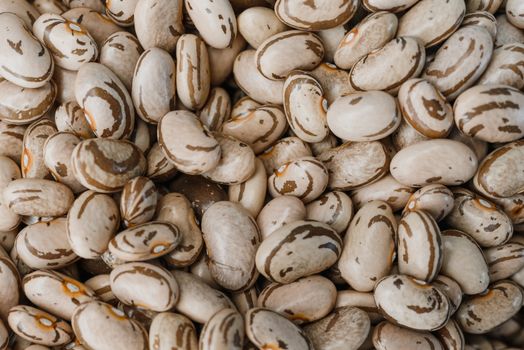
Pinto Beans
Nutrition facts & CKD safety rating per 100gram serving
Serving Size
100.0 gram
Calories
143 kcal
Protein
9.0 g
Carbs
26.0 g
Fat
1.0 g
Phosphorus Learn more →
147 mg
Sodium Learn more →
1 mg
Potassium Learn more →
436 mg
Source & Notes
Imported from latin-foods. Mexican refried.
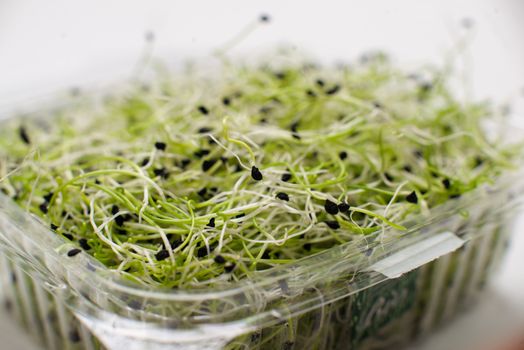
Kidney-Friendly Alternatives
Looking for safer choices in Vegetables? Try these instead:



Frequently Asked Questions
Is Pinto Beans safe for people with kidney disease?
Pinto Beans is rated Avoid for CKD patients. Avoid or eat rarely if you have CKD. With 147.0mg phosphorus, 1.0mg sodium, and 436.0mg potassium per 100.0g serving, it is best avoided or eaten only on special occasions. Always confirm with your nephrologist or renal dietitian.
How much phosphorus is in Pinto Beans?
A 100.0g serving of Pinto Beans contains 147mg of phosphorus, which is approximately 15% of the recommended 1,000mg daily limit for CKD Stage 3-4 patients.
How much sodium is in Pinto Beans?
Per 100.0g serving, Pinto Beans provides 1mg of sodium — about 0% of the 2,300mg daily sodium limit recommended for kidney patients.
How much potassium is in Pinto Beans?
Pinto Beans contains 436mg of potassium per 100.0g serving, equivalent to about 22% of the daily 2,000mg potassium limit for CKD Stage 3-4 patients.
Can dialysis patients eat Pinto Beans?
Dialysis patients have stricter mineral limits. Given Pinto Beans is rated Avoid (Avoid or eat rarely if you have CKD), dialysis patients should consult their dietitian before consuming this food. Your dialysis team can give you personalised portion advice.
More Vegetables
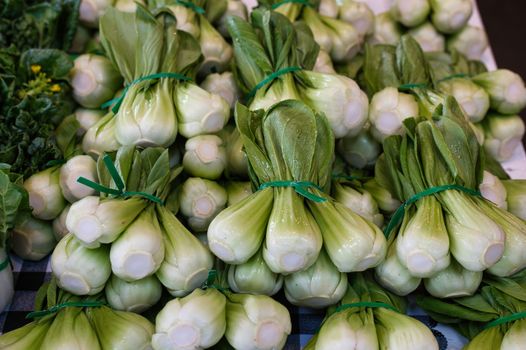
Pechay (Bok Choy)
Phosphorus37 mg
Sodium65 mg
Potassium252 mg
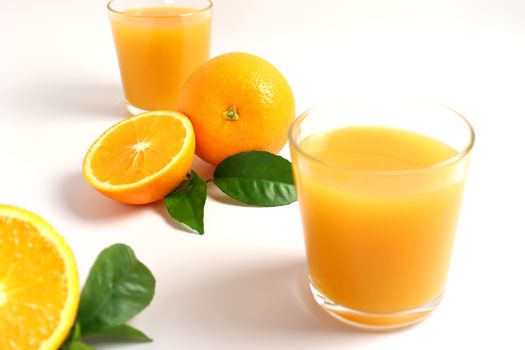
Orange Premium No Pulp Orange Juice
Phosphorus12 mg
Sodium0 mg
Potassium188 mg
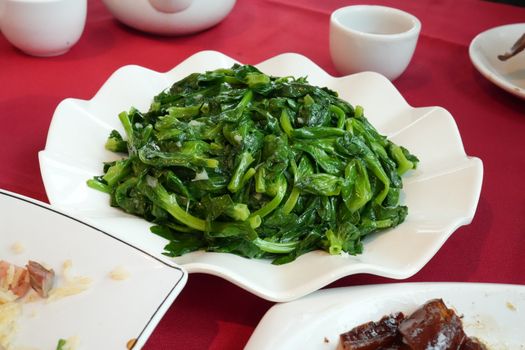
Chinese Stem Lettuce — Wo Sun
Phosphorus40 mg
Sodium11 mg
Potassium330 mg

Unsweetened Cranberry Pomegranate Unsweetened Cranberry Pomegranate Flavored Juice Blend From Concentrate
Phosphorus8 mg
Sodium12 mg
Potassium88 mg
Last updated: May 24, 2026 · Data source: USDA FoodData Central & KDOQI guidelines