
CKD 每日限值占比
基于 CKD 3–4 期每日限值
肾友替代品
在 肉类与蛋白质 中寻找更安全的选择?可以试试这些:
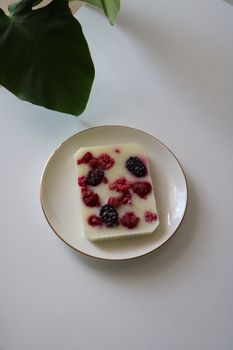
Fruit On The Bottom Lowfat Yogurt
Phosphorus88 mg
Sodium56 mg
Potassium182 mg
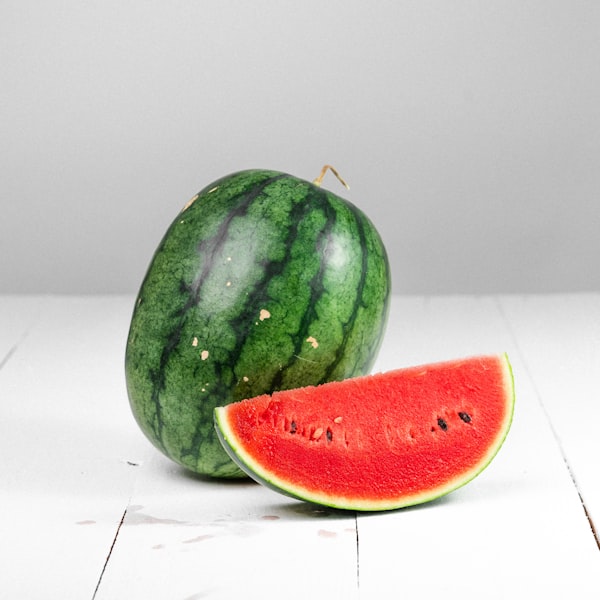
French Vanilla French Vanilla Nutrition Shake With Honey & Oats
Phosphorus125 mg
Sodium58 mg
Potassium125 mg
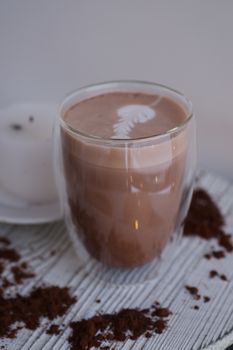
Hot Chocolate / Cocoa Whole Or Reduced Fat Milk
Phosphorus95 mg
Sodium60 mg
Potassium152 mg
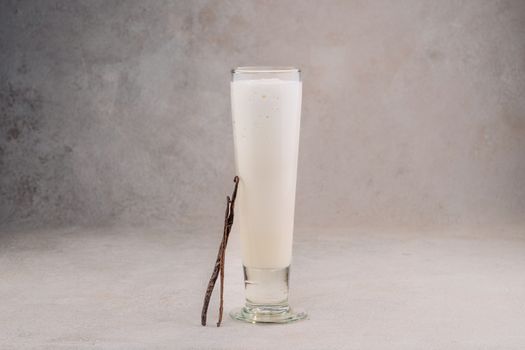
Vanilla Vanilla Flavored Oatmilk
Phosphorus112 mg
Sodium42 mg
Potassium162 mg
常见问题
Is 格鲁耶尔奶酪 safe for people with kidney disease?
格鲁耶尔奶酪 is rated Avoid for CKD patients. Avoid or eat rarely if you have CKD. With 605.0mg phosphorus, 336.0mg sodium, and 81.0mg potassium per 100.0g serving, it is best avoided or eaten only on special occasions. Always confirm with your nephrologist or renal dietitian.
How much phosphorus is in 格鲁耶尔奶酪?
A 100.0g serving of 格鲁耶尔奶酪 contains 605mg of phosphorus, which is approximately 61% of the recommended 1,000mg daily limit for CKD Stage 3-4 patients.
How much sodium is in 格鲁耶尔奶酪?
Per 100.0g serving, 格鲁耶尔奶酪 provides 336mg of sodium — about 15% of the 2,300mg daily sodium limit recommended for kidney patients.
How much potassium is in 格鲁耶尔奶酪?
格鲁耶尔奶酪 contains 81mg of potassium per 100.0g serving, equivalent to about 4% of the daily 2,000mg potassium limit for CKD Stage 3-4 patients.
Can dialysis patients eat 格鲁耶尔奶酪?
Dialysis patients have stricter mineral limits. Given 格鲁耶尔奶酪 is rated Avoid (Avoid or eat rarely if you have CKD), dialysis patients should consult their dietitian before consuming this food. Your dialysis team can give you personalised portion advice.
在哪里购买 格鲁耶尔奶酪
Shop from trusted retailers — we may earn a small commission at no extra cost.
Shop 格鲁耶尔奶酪 on Amazon
Shop now
Affiliate Disclosure: As an Amazon Associate, KidneyFoods earns from qualifying purchases. This helps keep the site free — at no extra cost to you.
更多肉类与蛋白质
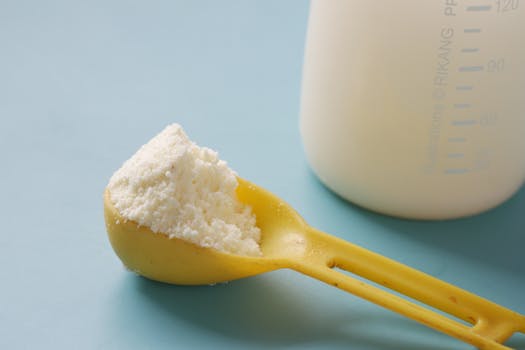
Enfamil Gentlease Ready-to-feed Infant Formula
Phosphorus30 mg
Sodium24 mg
Potassium71 mg
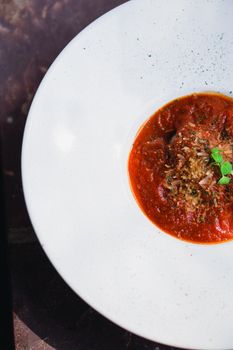
Puerto Rican Style Crabs In Tomato-based Sauce
Phosphorus169 mg
Sodium617 mg
Potassium262 mg
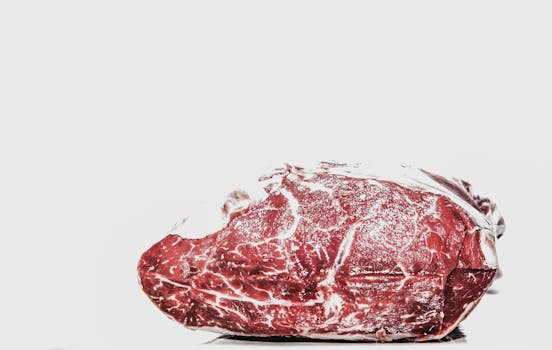
Round Eye Of Round Roast Boneless Separable Lean Only Trimmed To 0" Fat Select Beef
Phosphorus222 mg
Sodium50 mg
Potassium312 mg
Plain Plain Whole Milk Yoghurt
Phosphorus129 mg
Sodium84 mg
Potassium271 mg
Free forever — built after 7 years on dialysis
I made KidneyFoods so no one has to guess what's safe to eat. If this page helped you today, a small donation keeps the lights on for the next person searching.
Last updated: May 24, 2026 · Data source: USDA FoodData Central & KDOQI guidelines